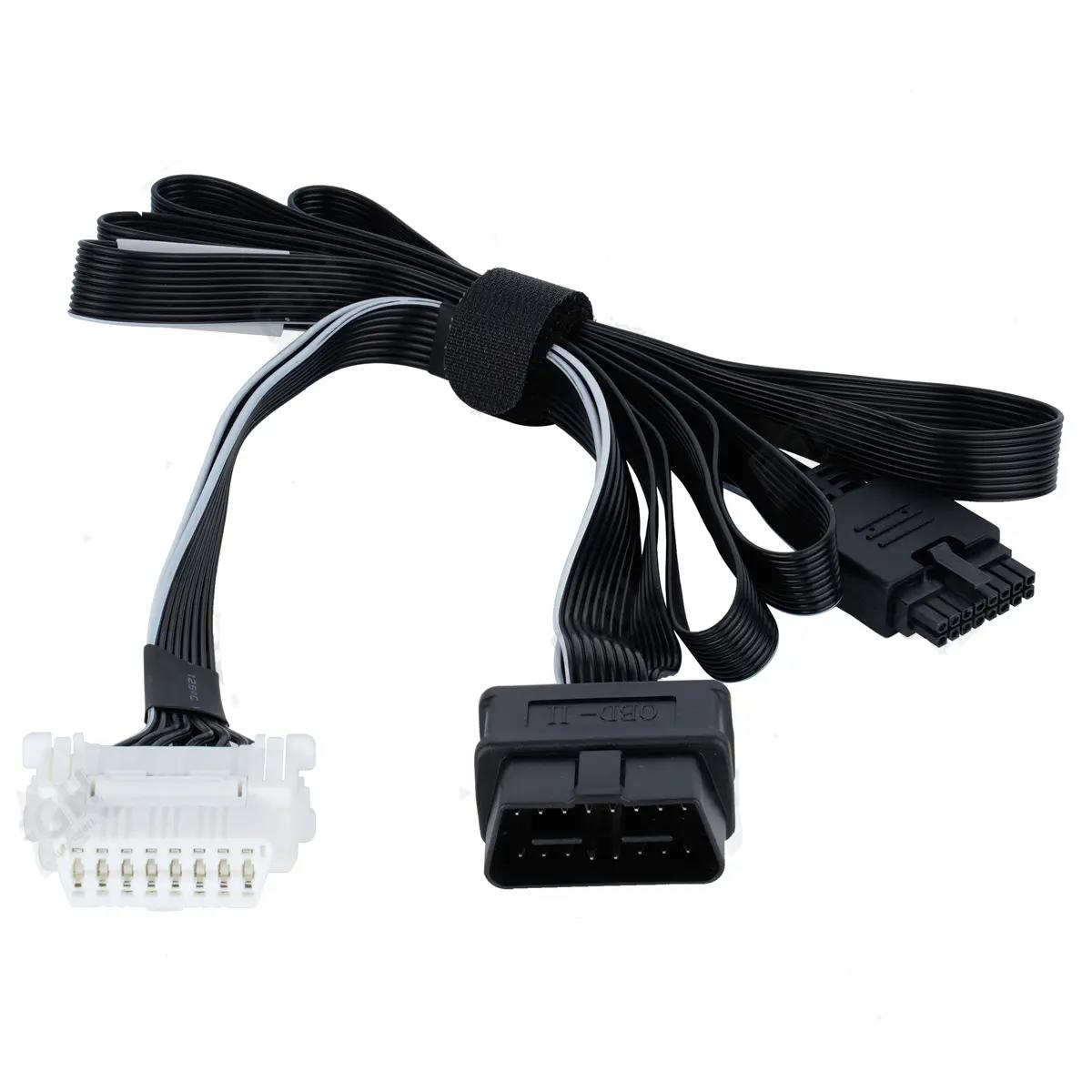


Installing an ev charger with battery is an essential step for homeowners and businesses who want to manage electric vehicle (EV) charging efficiently. An ev charger with battery not only provides convenient charging but also allows for energy storage, which can reduce electricity costs and increase grid resilience. Understanding the installation process, safety precautions, and technical requirements is key to ensuring a smooth and safe setup.

1. Understanding the EV Charger with Battery
An ev charger with battery is a charging station that integrates an energy storage system with the EV charging function. Unlike standard chargers that draw electricity directly from the grid, this type of charger can store energy in a battery and use it to charge vehicles when needed. This feature is particularly useful for managing peak electricity loads and providing backup power during outages.
2. Advantages of an EV Charger with Battery
The main benefits of using an ev charger with battery include energy cost savings, flexibility in charging schedules, and improved energy efficiency. By storing energy during off-peak hours and using it during high-demand periods, users can reduce electricity bills. Additionally, this system supports renewable energy integration, allowing solar or wind energy to be stored and utilized for EV charging.
3. Pre-Installation Considerations
- Site Assessment
Before installing an ev charger with battery, it is important to assess the location. The charger should be installed in a dry, ventilated area with sufficient space for maintenance. Proper access to electrical infrastructure, including circuit breakers and wiring, is necessary. Assessing the site ensures that the installation is both safe and convenient for daily use.
- Electrical Requirements
An ev charger with battery requires a dedicated electrical circuit capable of handling the charger’s load. The battery system may also require specific voltage and current ratings. Consulting with a licensed electrician is crucial to verify that the existing electrical system can accommodate the charger safely and efficiently.
4. Installation Process
- Mounting the Charger
The first step in installing an ev charger with battery is mounting the unit on a wall or pedestal. Secure mounting ensures stability and prevents accidental damage. Ensure that the unit is level and follows the manufacturer’s guidelines for clearance around the device. Proper mounting also facilitates future maintenance.
- Wiring and Connections
Next, connect the ev charger with battery to the main electrical panel. This process involves running appropriate wiring, installing circuit breakers, and connecting the charger and battery terminals according to the manufacturer’s instructions. Safety precautions, such as turning off the main power and using insulated tools, are essential during this step.
- Testing and Commissioning
After the wiring is complete, test the ev charger with battery to ensure it operates correctly. Verify that the charger communicates with the battery system and that charging begins as expected. Some models may include software or apps to monitor charging status, battery level, and energy usage. Proper testing ensures the system is safe and fully functional.
5. Safety Tips
- Following Manufacturer Guidelines
Always follow the installation instructions provided by the manufacturer of the ev charger with battery. This includes torque specifications for connectors, cable management, and grounding procedures. Manufacturer guidelines are designed to ensure safety and prevent damage to the unit or the electrical system.
- Regular Maintenance
A well-maintained ev charger with battery will operate more reliably and last longer. Check connections, inspect cables, and ensure ventilation openings are clear of dust and debris. Regular maintenance reduces the risk of electrical faults and maintains the efficiency of both the charger and the battery system.
6. Additional Considerations
- Integration with Renewable Energy
An ev charger with battery can be integrated with solar panels or wind turbines. This allows the stored energy to come from renewable sources, reducing reliance on the grid and lowering carbon emissions. Proper integration requires monitoring systems and charge controllers to manage energy flow efficiently.
- Smart Charging Features
Many ev chargers with battery include smart features such as remote monitoring, scheduled charging, and load balancing. These features enhance convenience and optimize energy usage, ensuring that vehicles are charged when electricity rates are lowest or when renewable energy is most available.
Conclusion
Installing an ev charger with battery requires careful planning, proper electrical setup, and adherence to safety guidelines. By following these steps, users can enjoy efficient EV charging, cost savings, and the flexibility to integrate renewable energy. Whether for home or commercial use, a well-installed ev charger with battery provides long-term benefits and supports the growing adoption of electric vehicles.
0