

The braking system is one of the most crucial elements of every car, and the brake pads are one of the most crucial parts of this system. The point is that whatever the road conditions may be — whether you drive around the bustling city or go for a long journey — the brake pads will always be subject to the effects of friction and heating.
Nevertheless, many motorists consider the state of their brake pads only in case they start making strange sounds or show poor efficiency. In truth, information about how the pads operate, the lifespan of the pads, and their replacement is essential to prevent any accidents and additional costs.
It is normal for the pads to have a lifespan that ranges from 30,000 to 70,000 miles due to many variables like driving style, the weight of the car, the quality of the roads, and the materials of the pads.
1. What Are Brake Pads?
The Function and Working Principle of Brake Pads
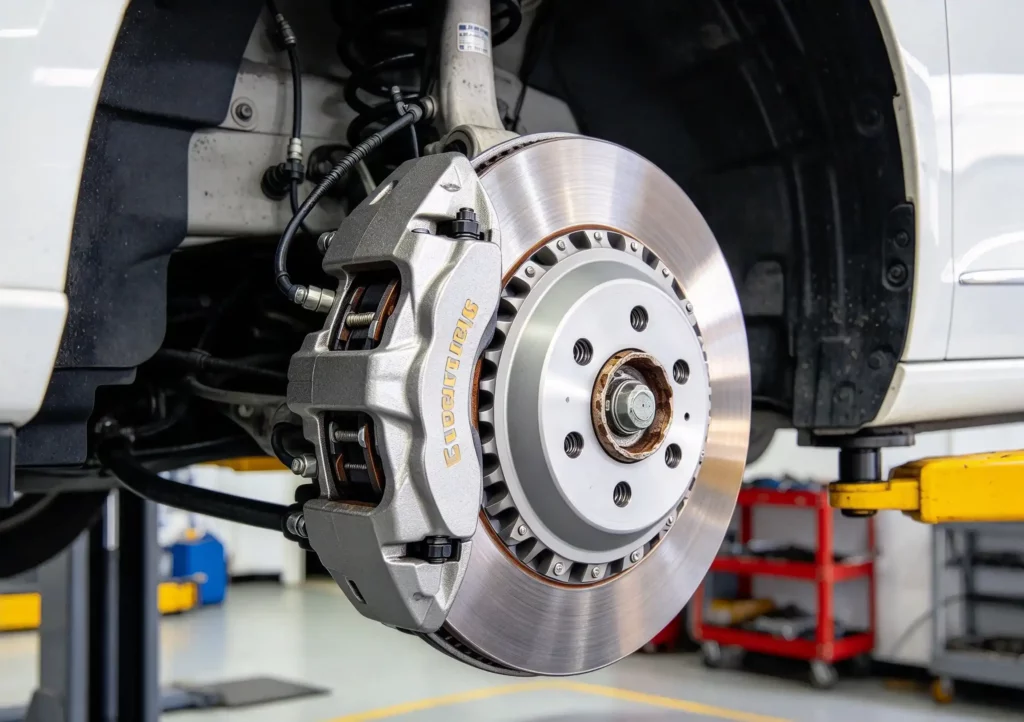
Brake pads are some of the most important friction materials in the disc brake system. The role of brake pads is to generate friction between them and the brake rotors. This causes kinetic energy to be transformed into heat energy.
When the driver presses the brake pedal, there is pressure on the caliper, which then creates pressure on the brake pads and the rotor; therefore, friction is created.
Because of the way the brake pads rely on friction for them to work, the brake pads wear out over time. When the thickness of the friction layer wears out considerably, braking performance is affected.
Common Types of Brake Pads
Different brake pad materials provide different levels of performance, durability, and comfort.
| Type | Features | Suitable For |
| Ceramic Brake Pads | Low noise, less dust, smooth braking | Daily drivers and passenger cars |
| Semi-Metallic Brake Pads | Strong heat resistance and durability | SUVs, heavier vehicles, high-load driving |
| Organic Brake Pads | Affordable and softer braking feel | Light everyday driving |
For instance, urban drivers might prefer to have quieter ceramic pads, while those who tow or drive under hot conditions might need hardier materials.
2. When Should You Replace Brake Pads?
Check Brake Pad Thickness
Brake pad thickness is one of the most reliable indicators of wear. New brake pads are usually around 8-12 millimeters thick. If the thickness of the friction material falls to about 3-4 millimeters, then it normally needs to be replaced. If the thickness goes below 3 millimeters, then there could not be enough braking power from the pads.
However, even though this information might be general, it is still best to check the owner’s manual.
Pay Attention to Warning Signs
The thickness of the pad is not the only factor used in recognizing worn brake pads. Motorists are advised to pay attention to any differences in braking behavior as well.
Common warning signs include:
- Squealing or grinding noises during braking;
- Longer stopping distances;
- Vibrations while braking;
- Uneven braking performance.
There are brake pads equipped with a wear indicator that generates noise whenever the amount of friction material is insufficient. But then again, such behavior can sometimes be caused by other brake parts like the rotors or calipers.
Consider Driving Conditions and Usage
The life expectancy of brake pads varies widely based on how a car is operated. Driving that involves constant heavy braking, frequent traffic, steep roads, and heavier cars will cause more wear to occur.
For instance, if a car travels mostly on highways, then its brake pads may not have to be changed as often compared to another car that operates within the city all day.
3. Why Should You Replace Brake Pads on Time?
Maintain Braking Safety
Friction is decreased between the pads and rotors due to worn brake pads, causing an increase in the stopping distance and reducing the efficacy of the brakes. Even minor changes in braking performance can have a great impact on vehicle control during emergencies.
Brake pad replacement at the right time will make sure that the braking system remains efficient.
Prevent More Expensive Repairs
Neglecting worn brake pads can result in further damage. Once the friction material wears out, the metal part that makes up the pad may rub against the brake rotor, which can result in scratching and overheating of the rotor.
It is cheaper to replace brake pads than to repair or replace damaged rotors and other brake parts.
Improve Driving Comfort
Good maintenance of the braking system makes for a better driving experience as well. The installation of new brake pads is likely to reduce noise, vibrations, and inconsistent brake performance.
4. What Should You Do When Brake Pads Need Replacement?
Confirm the Condition Before Replacement
In case the brakes give any trouble, the first thing that needs to be done is to determine if the pads require replacement. Pad thickness checks and performance observation will help in understanding the state of the brake system.
Nevertheless, noises or vibrations may be caused not only by brake pads but also by other components of the brake system, including rotors, calipers, and brake fluid.
How to Select the Correct Brake Pads for Your Car
Selection of the appropriate brake pads is influenced by several factors such as the type of vehicle, driving conditions, and requirements.
Ceramic brake pads can be an excellent selection for average cars because they provide a very smooth and silent braking process. Brake pads for large vehicles like SUVs require being more resilient and heat-resistant. Fast driving and carrying cargo should also be considered when choosing brakes.
Inspect Other Brake Components During Replacement
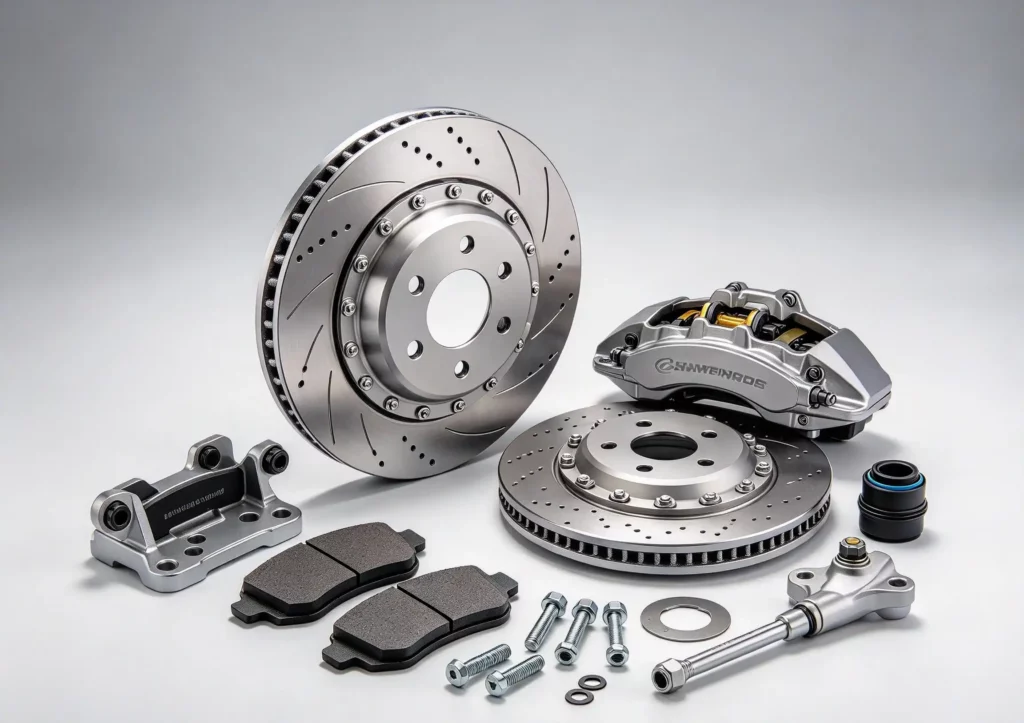
Replacing the brake pads will allow you to examine other parts of the braking system, including checking for grooves or wear on the rotors and the correct thickness of the rotors, as without proper rotor thickness, the new brake pads won’t work effectively.
It is essential to pay attention to the calipers because an incorrectly working caliper leads to uneven wear of the brake pads.
Use Professional Installation and Allow Proper Break-In
Even though brake pad replacement is not very complex, proper installation will affect the quality of braking. Professionals will be able to perform the installation and also examine the brake system entirely.
New brake pads need to undergo a break-in process after installation. It is advisable for the first 200-500 miles (around 320-800 kilometers) of driving to avoid repeated hard braking, which allows the pads and rotors to wear properly.
Inspection during maintenance will also help anticipate future problems and prolong the life of brake parts.
Conclusion
Despite being small car parts, brake pads play a vital part when it comes to road safety. By acquainting oneself with the brake pads, understanding the right time to replace them, and the reasons why they must be replaced, the driver will be protected from all kinds of risks as well as unnecessary costs.
While most people believe that brake pads last up to 30,000-70,000 miles of use, it is important to note that there are a number of factors that affect the life of brake pads. It is crucial to monitor the thickness of brake pads, be aware of any abnormal brake behavior, and select proper replacement parts.
0