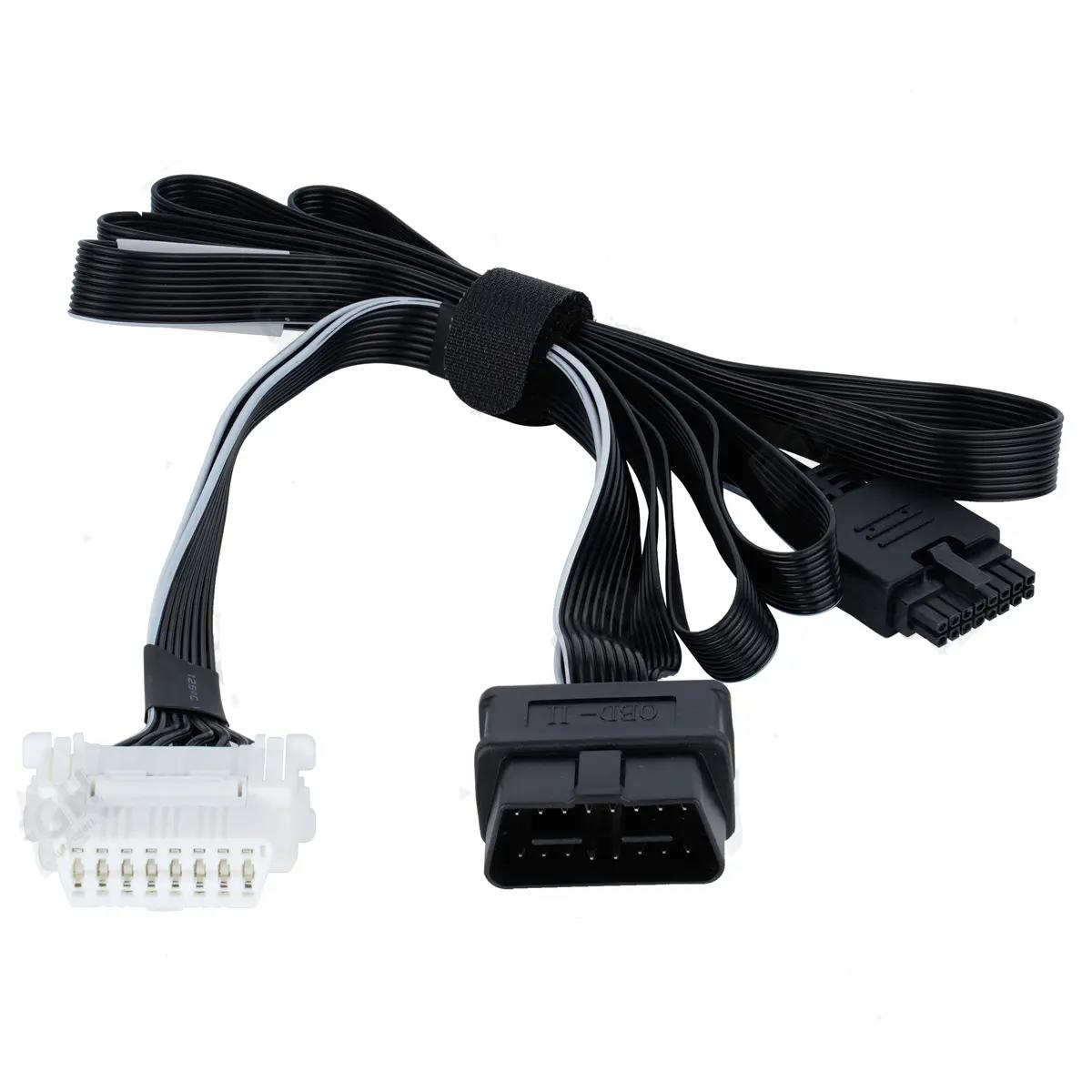


In regard to vehicle maintenance or repair, selection of the right replacement parts is one of the most critical factors that affect the choice of car owners. Most of them often struggle between purchasing OEM or aftermarket auto parts.
There are pros and cons associated with the two choices in relation to price, quality, compatibility, and availability of the items. OEM parts are designed to be similar to the original equipment of the car, whereas aftermarket parts offer more variety. Rather than choosing the best of the two, car owners need to assess their vehicle condition and maintenance requirements.
According to statistical data related to the automobile repair industry, it is estimated that parts may constitute about 40% to 60% of the total cost of major repair jobs.
1. What Are OEM Auto Parts?
Definition and Features of OEM Parts
OEM Auto Parts are manufactured according to the requirements of the original vehicle manufacturer. Such parts could be sourced from the supply line of the car manufacturer itself or from any certified manufacturer that makes parts according to the specifications of the car manufacturer.
In simpler terms, OEM parts are made according to the same specifications as the parts that were fitted to a car when it was manufactured.
Common OEM components include:
- Engine parts;
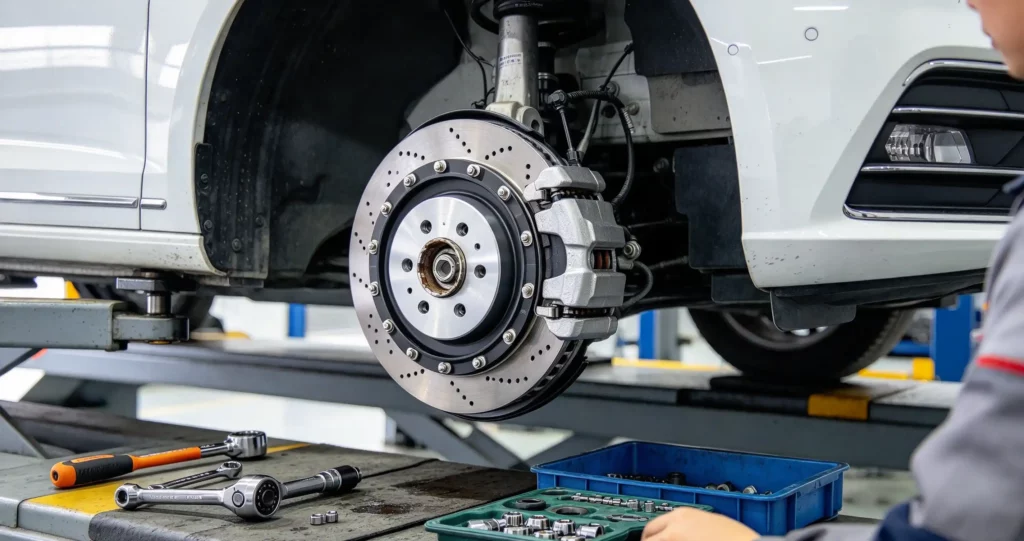
- Brake system components;
- Suspension parts;
- Electronic control modules;
- Body-related components.
The biggest advantage of OEM parts is their high compatibility. Since they are developed for specific vehicle models, they usually fit more precisely and reduce the possibility of installation problems.
Advantages and Limitations of OEM Parts
One of the advantages of OEM parts is uniform quality. They are usually manufactured under high manufacturing standards and undergo testing to ensure they perform according to vehicle specifications. They are therefore very applicable in situations where reliability is of the essence.
OEM parts can give better warranty coverage since they may be covered by policies of the manufacturer when the car is still within its warranty period.
The major disadvantage is the high cost. OEM parts can be very expensive compared to aftermarket parts, with an average cost difference of 20%-60% in various situations.
This may mean that using OEM parts for every repair can cause the cost of repairs to rise greatly.
2. What Are Aftermarket Auto Parts?
Definition and Features of Aftermarket Parts
Aftermarket auto parts are auto parts manufactured by firms that are not the original manufacturers of the vehicles for which the auto parts are designed.
The difference between OEM auto parts and aftermarket auto parts is that the latter are not bound to any particular brand of car and can therefore be more diverse.
Common aftermarket products include:
- Air filters;
- Brake pads;
- Lighting components;
- Electronic accessories;
- Performance upgrade parts;
- Exterior and interior accessories.
Because of strong market competition, aftermarket parts are available in various price levels and performance categories, allowing drivers to choose products based on their specific requirements.
Advantages and Considerations of Aftermarket Parts
One of the greatest advantages of using aftermarket parts is that they are flexible.
A driver can choose from inexpensive alternative parts to more expensive ones that focus on performance.
This means that an aftermarket brake pad replacement can come in many different varieties, both regular ones and high-performance pads.
Some aftermarket companies even enhance the quality of their products through better materials or design.
Nevertheless, there is great variation in quality from one company to another; while some aftermarket parts might be of equal or even higher quality than the OEM, some might not be as durable or perform as well.
When choosing aftermarket parts, drivers should take into account:
- Manufacturer reputation;
- Product certifications;
- Customer reviews;
- Warranty coverage.
Choosing a reliable aftermarket brand is essential to ensure safety and long-term value.
3. Key Differences Between OEM and Aftermarket Auto Parts
OEM and aftermarket parts are designed for different purposes. Below is the comparison showing their key distinctions:
| Comparison | OEM Parts | Aftermarket Parts |
| Manufacturer | Original supplier or certified producer | Independent manufacturers |
| Price | Usually higher | Wider price range |
| Compatibility | High vehicle-specific fit | Requires compatibility checking |
| Product Selection | More limited | More variety |
| Quality Consistency | Generally stable | Depends on brand quality |
| Customization Options | Limited | More upgrade possibilities |
OEM parts focus on maintaining the vehicle’s original specifications, while aftermarket parts provide more freedom in terms of cost and customization.
4. Which Option Is Better for Your Car?
Choose Based on Vehicle Condition
The most suitable option will depend on the age, use, and repair needs of the vehicle.
If the car is new or has a warranty period, OEM parts will be considered a more appropriate choice to retain original performance and prevent possible incompatibility issues.
On the other hand, for older vehicles, aftermarket parts may be a reasonable alternative. It may not be necessary to replace all components using OEM parts if the car is older than 8 years, which will lead to unnecessary costs of repair.
Consider the Importance of the Part
Different components require different selection standards.
For safety-related systems, such as:
- Braking components;
- Steering parts;
- Suspension systems;
Quality and reliability must take precedence over cost.
For less critical components, including:
- Interior accessories;
- Decorative parts;
- Certain electronic upgrades;
Aftermarket options often provide more variety and customization opportunities.
Evaluate Long-Term Value
It is not always wise to purchase parts based on the lowest initial cost initially incurred when selecting spare parts.
An inexpensive part that is less durable would incur more expenses due to the need for constant replacements. It might prove worthwhile to invest in quality.
Drivers should evaluate:
- Product quality;
- Expected lifespan;
- Installation costs;
- Warranty protection.
Conclusion
There are some advantages to choosing OEM or aftermarket automotive parts, and there is no perfect solution for every case. OEM parts come with a high degree of compatibility, quality stability, and proximity to the manufacturer’s specifications. Aftermarket parts have more flexibility, choice options, and cost-effectiveness.
It can be stated that for car owners in 2026, the best way to use automotive parts will be to select them according to the current condition of the vehicle, the importance of particular components, driving behavior, and available budget.
0