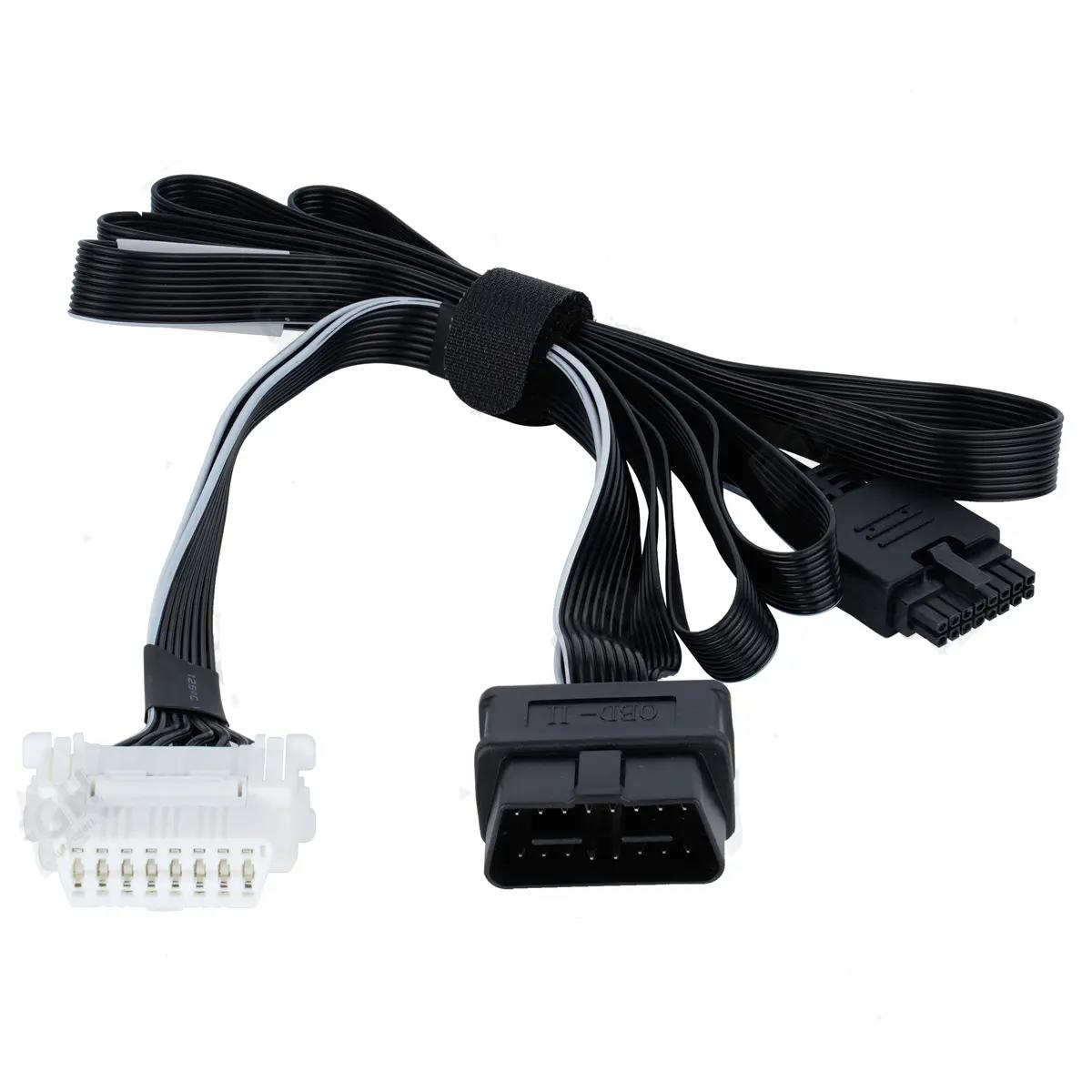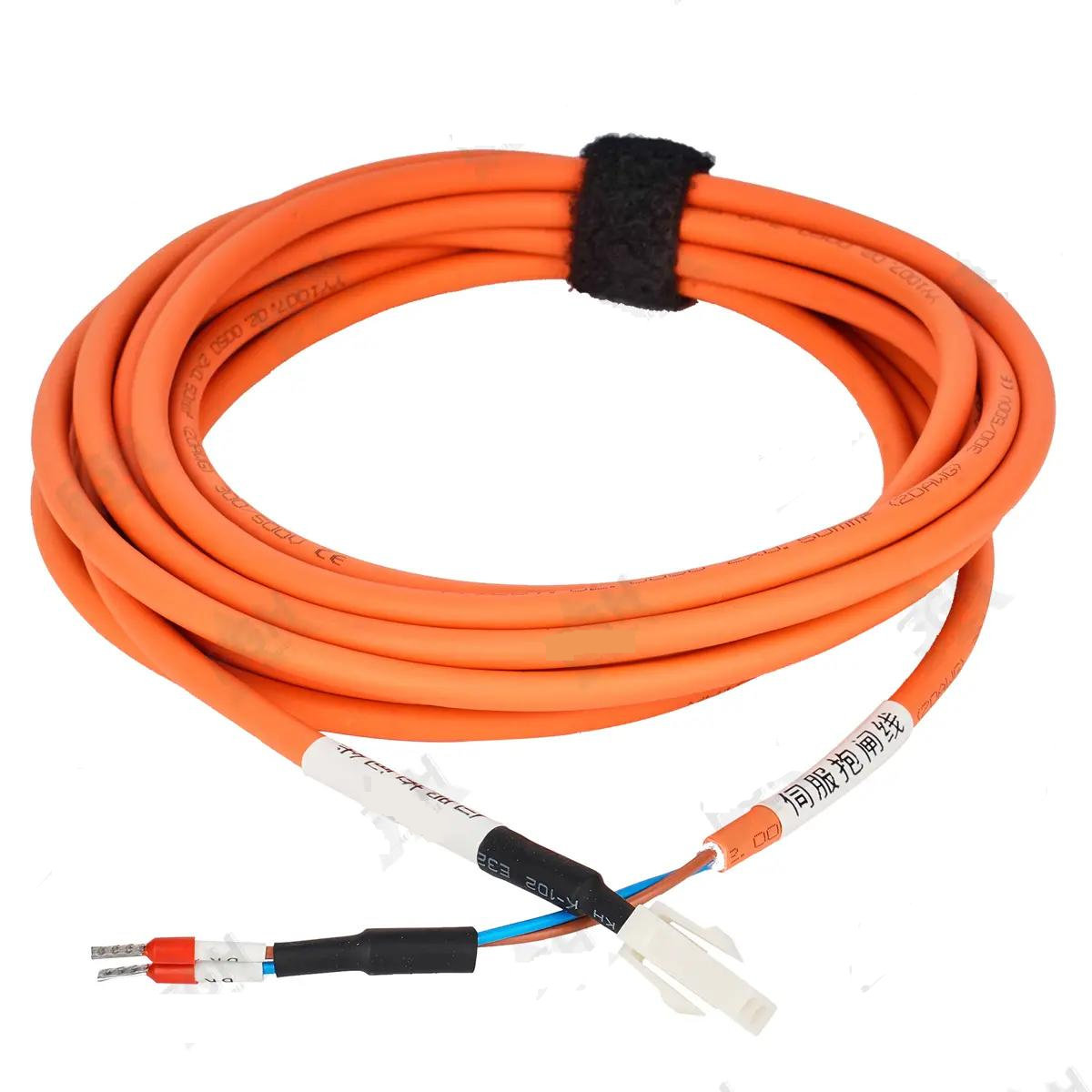


In the modern electronics industry, fast connectors are essential components that enable quick plug-and-play electrical connections. They provide stable power and signal transmission through mechanical structures without the need for soldering. This plug-and-play feature not only improves production efficiency but also simplifies maintenance, replacement, and upgrades. With advantages such as high reliability, compact size, and easy maintenance, fast connectors are widely used in consumer electronics, telecommunication equipment, automotive electronics, industrial automation, and medical devices, making them indispensable in modern electronic systems.
1. Consumer Electronics of Fast Connector
Fast connectors are widely used in smartphones, tablets, laptops, and wearable devices. Key applications include:
- Power connections: Transmitting power between batteries and mainboards to ensure stable operation.
- Signal interfaces: Connecting display panels, camera modules, and sensors for high-speed data transfer.
- External ports: Rapid assembly of USB, Type-C, and audio interfaces.
These connectors often feature high-density and miniaturized designs, saving space while ensuring reliable signal transmission. In smartphone assembly, fast connectors enable second-level connections between screen modules and mainboards, greatly enhancing production line efficiency. Their modular design also simplifies after-sales maintenance, reducing labor costs and improving device serviceability.

2. Telecommunication Equipment of Fast Connector
In the telecommunication sector, fast connectors are widely used in 5G base stations, optical communication modules, switches, routers, and data center devices. Their key features and applications include:
- High-speed data transmission: Supporting high-frequency and large-bandwidth communication.
- Low signal loss: Minimizing reflection and attenuation to maintain signal integrity.
- Electromagnetic interference resistance: Ensuring stable connections in challenging environments.
- Multiple types: Common examples include SMA, SMB, LC, and SC RF and fiber optic connectors.
Fast connectors now play crucial roles not only in backbone networks but also in small base stations, IoT devices, and wireless transmission modules, making them indispensable in high-speed interconnected systems.
3. Industrial Automation of Fast Connector
In industrial automation systems, fast connectors play a key role in linking sensors, controllers, servo motors, robots, and PLCs. Their advantages include:
- Environmental durability: Stable operation under high temperature, humidity, dust, and vibration.
- Modular installation: M8 and M12 connectors enable quick installation and maintenance.
- Maintenance convenience: Devices can be upgraded or replaced by simply plugging/unplugging connectors without downtime or rewiring.
- Support for smart manufacturing: Enabling efficient data acquisition and device interconnection in IIoT systems.
The reliability and modular design of fast connectors are critical to ensuring smooth and efficient industrial automation.
4. Automotive Electronics
Fast connectors are extensively used in automotive electronics, including:
- Power systems: Safe current transmission in battery management systems (BMS) and high-voltage circuits.
- Smart systems: Connections for ADAS, ECU, and sensor networks.
- In-vehicle entertainment: Interfaces for infotainment, lighting, and other electronic modules.
- Environmental resilience: Designs for vibration, water, dust resistance, and high-temperature tolerance to ensure long-term reliability.
Modular design improves assembly efficiency and simplifies maintenance. With the growth of electric and smart vehicles, the importance of fast connectors in automotive electronics continues to rise.
5. Medical Devices
In medical equipment, fast connectors are used in high-precision devices, including:
- Data transmission: Ensuring stable signal transfer in monitors, diagnostic equipment, and imaging systems.
- Quick plug-and-play: Rapid replacement of probes or sensors during urgent medical procedures to improve efficiency.
- Protective design: Materials and housing meet water-proof, antimicrobial, and sterilization requirements.
- Durability: Lightweight and robust construction ensures reliability under frequent use.
Fast connectors are critical for both portable and home medical devices, ensuring efficient and safe operation.
6. Future Trends
As electronic devices continue to become smaller, faster, and smarter, fast connectors are evolving with key trends including:
- High-speed transmission: Supporting higher bandwidths with lower contact resistance.
- Compact design: Smaller, denser connectors for complex applications.
- Enhanced protection: Improved water, dust, shock, and EMI resistance.
- Eco-friendly materials: Using recyclable and lightweight components for sustainable development.
- Support for intelligent systems: Acting as crucial nodes for information and energy transfer in smart manufacturing, IoT, and renewable energy applications.
Fast connectors are no longer just physical connectors—they are essential components ensuring efficient and stable operation in future electronic systems.
Conclusion
From consumer electronics to industrial automation, and from telecommunication equipment to medical devices, fast connectors permeate nearly every aspect of modern electronics. They drive innovation through efficiency, reliability, and flexibility. As smart and high-speed interconnected systems continue to develop, fast connectors will remain vital bridges connecting technology with the future, enabling higher performance and broader applications in the electronics industry.
0