

The transflective LCD is a specialized display technology designed to perform well in both bright sunlight and low-light environments by combining reflective and transmissive display modes. Unlike conventional LCDs that depend mainly on backlighting, this type of screen can use ambient light to improve visibility, which significantly reduces power consumption while maintaining readability. Because of this unique advantage, the transflective LCD has become an important solution in industries where lighting conditions are unpredictable or constantly changing. From outdoor industrial systems to portable electronics, its application range continues to expand as demand grows for energy-efficient and sunlight-readable display technologies. Understanding where it is commonly used helps explain why it remains highly relevant in modern electronic design.
Industrial Equipment and Outdoor Monitoring Systems
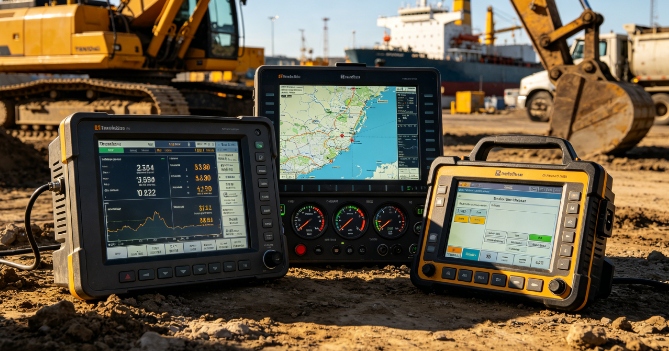
One of the most important application areas for the transflective LCD is industrial environments, especially those exposed to outdoor lighting conditions and harsh working settings.
- Construction machinery panels: Excavators, bulldozers, and cranes rely on these displays so operators can clearly read performance data even under strong sunlight.
- Energy Infrastructure Monitoring: Solar power farms, wind turbines, and power distribution stations utilize these solutions to achieve real-time visualization of system data within their outdoor facilities.
- Factory and field control units: Equipment used in open-air production sites benefits from stable readability without excessive backlight dependence.
- Environmental resistance requirements: These displays are often paired with rugged housing to withstand dust, vibration, humidity, and temperature fluctuations.
In these environments, the transflective LCD ensures that critical operational data remains visible while improving energy efficiency and system reliability.
Transportation and Navigation Applications
Transportation systems are another major area where this display technology is widely used, as visibility and stability are essential under constantly changing lighting conditions.
- Automotive dashboards: Modern vehicles integrate these screens into instrument clusters for clear visibility during both daytime driving and nighttime conditions.
- Motorcycle and bicycle displays: Compact dashboards benefit from high readability in direct sunlight, especially for outdoor riders.
- Marine navigation systems: Ships require strong screen clarity due to intense sunlight reflection from water surfaces.
- Public transport interfaces: Buses and trains use such displays for route tracking, control systems, and passenger information panels.
Because transportation environments demand consistent readability in all lighting conditions, this technology provides a reliable and efficient solution.
Portable Devices and Field Equipment
Another significant use case is portable electronics, where energy efficiency and outdoor readability are critical performance requirements.
- GPS navigation devices: Widely used in hiking, driving, and fieldwork, these devices require screens that remain visible in direct sunlight.
- Handheld industrial scanners: Logistics workers use them in warehouses and outdoor loading areas where lighting conditions vary significantly.
- Medical portable instruments: Emergency diagnostic tools rely on stable display performance during field operations.
- Military field devices: Tactical equipment benefits from reduced power consumption and strong readability in diverse environments.
In portable applications, this type of display helps extend battery life while ensuring clear visibility, making it highly practical for mobile use scenarios.
Aerospace, Marine, and Extreme Environment Systems
In highly demanding environments, display reliability becomes critical, and this technology is often chosen for its stability and readability.
- Aircraft cockpit systems: Pilots require clear instrument visibility regardless of altitude, sunlight intensity, or cockpit lighting.
- Ship navigation equipment: Strong sunlight reflection on water surfaces makes readability a key requirement for marine displays.
- Oil and gas exploration systems: Remote drilling sites expose equipment to heat, dust, and harsh outdoor conditions.
- Emergency and rescue tools: Devices used in unpredictable environments must function reliably under both bright and low-light conditions.
These applications demonstrate how the transflective LCD performs in mission-critical systems where failure or poor visibility is not acceptable.
Conclusion
The transflective LCD is widely used across multiple industries because of its ability to maintain clear visibility in both bright and low-light environments while reducing power consumption. Its applications range from industrial equipment and transportation systems to portable devices and extreme environmental operations, showing its adaptability and reliability. By combining reflective and transmissive technologies, it offers a practical balance between performance and efficiency. As demand for durable, energy-saving, and sunlight-readable displays continues to grow, this technology will remain an essential solution in modern electronic and industrial applications.
0