

A reliable injection machine robot supplier plays a crucial role in modern manufacturing, especially in industries that depend heavily on injection molding automation, such as packaging, automotive parts, electronics, and medical products. As production demands continue to increase, companies are turning to robotic solutions to improve efficiency, reduce labor costs, and ensure consistent product quality. However, not all suppliers offer the same level of performance, service, or technical expertise. Choosing the right partner requires careful evaluation of several key factors that directly impact long-term production stability and return on investment.
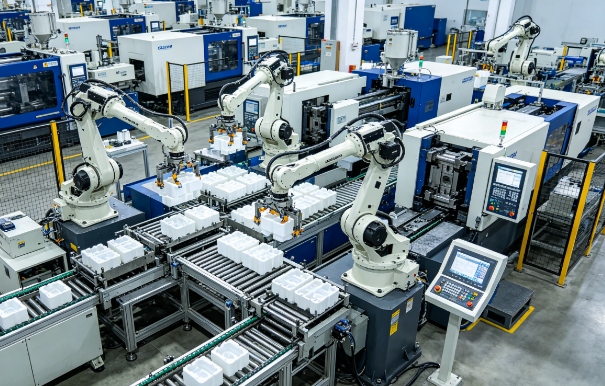
Technical Strength and Manufacturing Capability
One of the most important aspects when selecting an injection machine robot supplier is their technical capability and manufacturing strength. A supplier with a strong engineering background can deliver more stable and efficient robotic systems.
- Engineering design quality: High-level suppliers invest in advanced mechanical design, ensuring their robots operate smoothly under high-speed injection molding cycles without vibration or misalignment issues.
- Control system integration: A reliable system should support seamless communication with different injection molding machines, allowing synchronized operation and real-time adjustments.
- Precision motion technology: Multi-axis servo control is essential for accurate positioning, especially when handling delicate molds or high-speed production lines.
- Production testing standards: Professional suppliers conduct strict quality inspections and long-cycle testing before delivery to ensure machine stability in real factory environments.
These technical capabilities determine whether the robot can perform consistently under continuous industrial usage.
Product Flexibility and Customization Options
A strong injection machine robot supplier should be able to provide flexible and customized solutions based on different production requirements. Since factories vary in size, product type, and automation level, customization is essential.
Key considerations include:
- Robot type selection: Suppliers should offer different models, such as side-entry, top-entry, or Cartesian robots, to match various mold structures and production layouts.
- Application adaptability: Whether used for packaging containers, automotive parts, or electronic components, the system should be adjustable for different industrial applications.
- Modular design options: A flexible system allows users to upgrade or modify components such as grippers, vacuum systems, or software without replacing the entire machine.
- Production capacity scaling: The robot should support both small-scale and high-volume production environments, allowing manufacturers to expand operations without major system changes.
This flexibility ensures that the automation system can adapt to future business growth.
After-Sales Service and Technical Support
After-sales service is another critical factor when evaluating an injection machine robot supplier, as even the most advanced machines require maintenance and support during operation.
- Installation assistance: Professional suppliers provide on-site installation and commissioning to ensure the system is correctly set up from the beginning.
- Operator training programs: Proper training helps factory staff understand machine operation, maintenance procedures, and basic troubleshooting techniques.
- Spare parts availability: A reliable supplier maintains a stable inventory of replacement parts to reduce downtime during unexpected failures.
- Remote technical support: Many modern suppliers offer online diagnostics and real-time assistance, helping resolve issues quickly without waiting for on-site visits.
Strong after-sales support ensures continuous production and reduces operational risks.
Cost Efficiency and Long-Term Investment Value
When choosing an injection machine robot supplier, cost should not be evaluated only from the initial purchase price. Long-term value is far more important for sustainable production.
- Energy efficiency: Advanced robotic systems are designed to reduce power consumption while maintaining high-speed performance, lowering long-term operating costs.
- Reduced labor dependency: Automation reduces the need for manual handling, significantly cutting labor expenses and improving production consistency.
- Lower defect rates: Precise robotic operation minimizes human error, leading to fewer defective products and reduced material waste.
- Long service life: High-quality machines are built for durability, offering stable performance over many years with minimal maintenance costs.
By focusing on long-term benefits, manufacturers can achieve better return on investment and improved production efficiency.
Conclusion
In summary, selecting the right injection machine robot supplier requires careful consideration of technical capability, customization flexibility, after-sales service, and long-term cost efficiency. A professional supplier not only provides high-quality automation equipment but also ensures reliable performance, continuous support, and scalable solutions for future production needs. By partnering with a trusted provider, manufacturers can significantly enhance productivity, improve product quality, and maintain a competitive advantage in the rapidly evolving industrial automation market.
0