

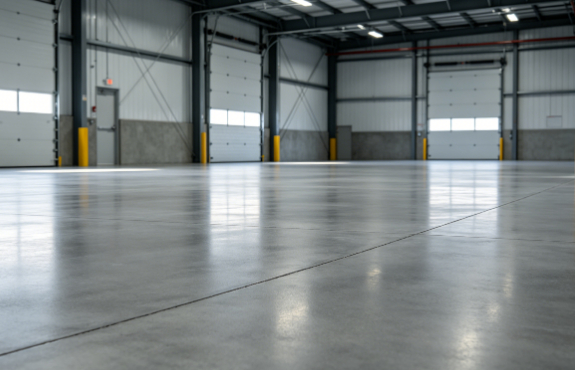
Floor coating plays a crucial role in enhancing the performance, safety, and longevity of flooring systems. Whether in industrial plants, commercial spaces, or residential garages, untreated floors are often vulnerable to wear, moisture, and chemical damage. As building standards continue to evolve, property owners are placing greater emphasis on durable and easy-to-maintain surfaces. This shift has led many to collaborate with professional floor coating suppliers who can provide advanced solutions tailored to specific environments. Understanding the fundamentals of floor coating and its importance can help decision-makers improve both operational efficiency and long-term value.
What Exactly Is Floor Coating?
Floor coating is a specially formulated protective layer applied over concrete or other substrates to enhance surface performance. Unlike simple paints or sealers, coating systems are designed to provide structural protection and functional benefits.
- Material composition and types:
Floor coatings are commonly made from materials such as epoxy, polyurethane, and polyaspartic compounds. Epoxy coatings are known for their excellent adhesion and strength, making them suitable for heavy-duty industrial environments. Polyurethane coatings offer flexibility and UV resistance, which makes them ideal for areas exposed to sunlight. Polyaspartic coatings are valued for their fast curing times and durability, allowing for quick project completion without sacrificing performance. - Application methodology:
The application process is a multi-step procedure that includes surface preparation, crack repair, priming, coating application, and curing. Surface preparation is particularly critical, as it ensures proper bonding between the coating and the substrate. Techniques such as grinding or shot blasting are often used to create a clean and rough surface for optimal adhesion. - Functional objectives:
The primary purpose of floor coating is to create a protective barrier that shields the underlying surface from physical damage, moisture infiltration, and chemical exposure. Additionally, it enhances visual appeal and can be customized to meet specific design requirements.
Key Benefits of Floor Coating in Modern Buildings
The widespread adoption of coated flooring systems is driven by the multiple advantages they offer across different sectors.
- Superior durability and resistance:
Coated floors are engineered to withstand heavy loads, constant foot traffic, and mechanical impact. This makes them particularly suitable for warehouses, manufacturing plants, and logistics centers where floors are subjected to continuous stress. - Improved workplace safety:
Safety is a top priority in modern facilities, and floor coatings contribute significantly by offering anti-slip surfaces. Specialized additives can be incorporated into the coating to enhance traction, reducing the risk of slips and falls even in wet or oily conditions. - Simplified maintenance and cleaning:
A seamless coated surface prevents dust, dirt, and liquids from penetrating the floor. This makes routine cleaning faster and more efficient, reducing maintenance costs and downtime. In environments where hygiene is critical, such as hospitals or food processing facilities, this benefit becomes especially valuable. - Enhanced visual appearance:
Floor coatings are available in a wide range of colors, textures, and finishes. This allows businesses to create visually appealing spaces that reflect their brand identity while maintaining a clean and professional look.
Why Floor Coating Is Essential for Modern Infrastructure
As modern buildings become more complex and performance-driven, the importance of reliable flooring systems continues to grow.
- Supports strict hygiene and sanitation standards:
In industries like pharmaceuticals, healthcare, and food production, maintaining a sterile environment is essential. Seamless floor coatings eliminate joints and cracks where bacteria can accumulate, helping to meet stringent hygiene requirements. - Extends the lifespan of structural surfaces:
Concrete floors are prone to cracking, spalling, and degradation over time. Floor coatings act as a protective shield, preventing damage caused by water, chemicals, and temperature fluctuations. This significantly reduces the need for expensive repairs or replacements. - Improves operational efficiency:
Well-coated floors can enhance workflow by providing smooth and level surfaces for machinery and transportation systems. This is particularly important in automated facilities where precision and consistency are required. - Ensures regulatory compliance:
Many industries have strict regulations regarding workplace safety and environmental protection. Properly installed coating systems help businesses comply with these standards, avoiding potential fines or operational disruptions.
Conclusion
Floor coating is far more than a decorative finish—it is a critical component of modern building design and maintenance. By improving durability, safety, hygiene, and overall efficiency, coated floors provide long-term value across a wide range of applications. As industries continue to demand higher performance standards, investing in the right flooring system becomes increasingly important. Collaborating with trusted floor coating suppliers allows businesses and property owners to implement solutions that not only protect their assets but also enhance functionality and visual appeal for years to come.
0