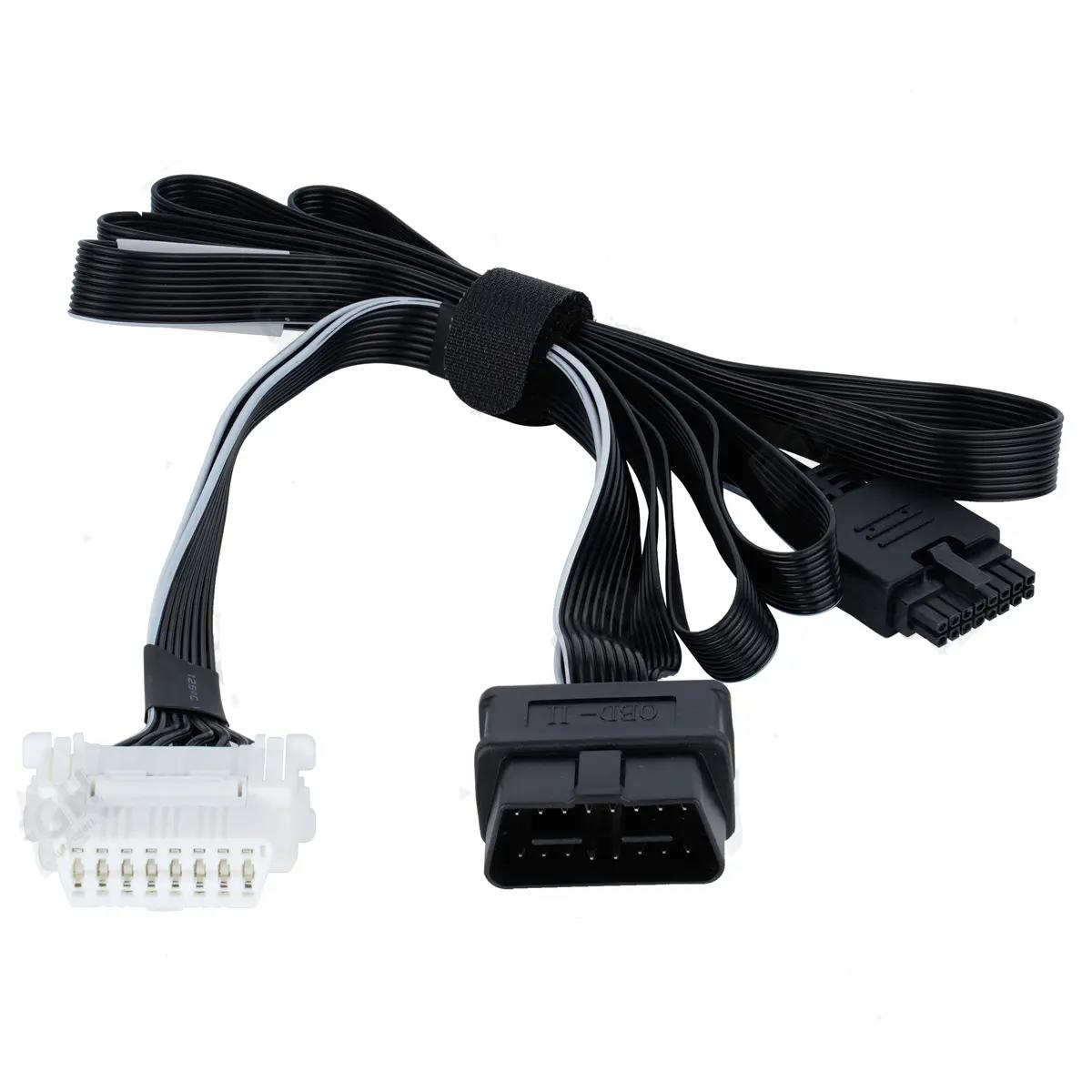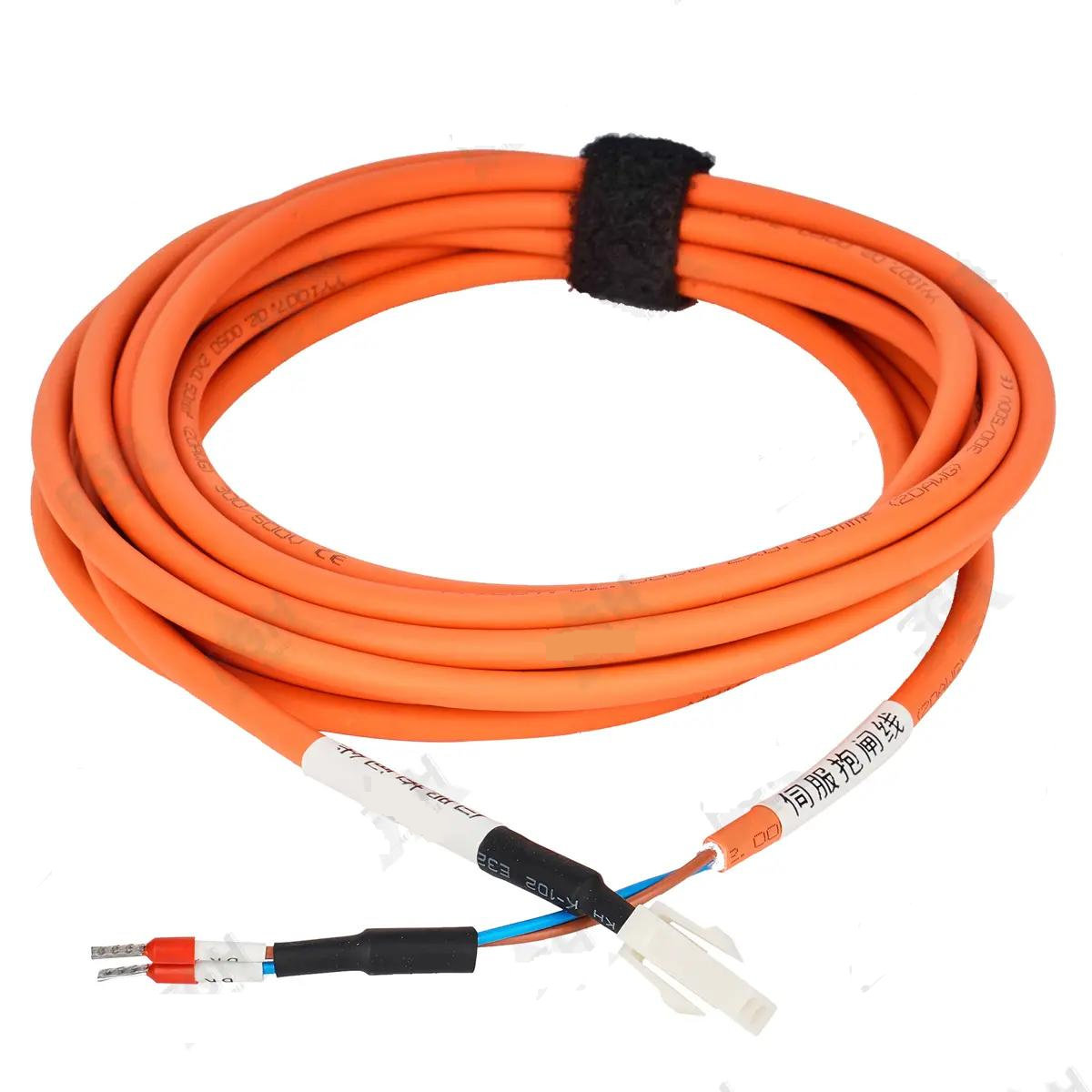


Micro-fiber cables are becoming increasingly popular due to their exceptional flexibility, durability, and performance in various environmental conditions. When it comes to wet and rainy environments, the ability of these cables to maintain their integrity and functionality is crucial. Whether used in telecommunications, industrial settings, or outdoor applications, micro-fiber cables must withstand exposure to moisture, humidity, and even heavy rainfall without compromising signal quality or safety. In this article, we will explore the performance of micro-fiber cables in wet and rainy conditions, highlighting their key advantages and practical applications.

1. Water-Resistant Design of Micro-Fiber Cables
- Water-Repellent Coating: Micro-fiber cables feature fibers coated with water-repellent materials that prevent water from seeping into the core. This helps preserve the internal structure and ensures the cable continues to perform well in rainy weather.
- Outer Jacket Protection: The outer jacket of the cables is often made of durable materials such as PVC or polyurethane. These materials provide an extra layer of protection, shielding the cable from moisture and ensuring long-term reliability.
- Reliable Signal Transmission: The water-resistant design maintains the signal quality even when the cable is exposed to rain, which is crucial for outdoor and industrial applications.
2. Moisture-Resistant Performance in Outdoor Settings
- Outdoor Telecommunications: Micro-fiber cables are ideal for outdoor telecommunications networks. They are designed to resist water infiltration, maintaining consistent performance despite exposure to rain and humidity.
- Street Lighting Systems: In street lighting installations, where cables are often exposed to the elements, micro-fiber cables perform reliably in wet conditions, ensuring that lighting systems remain functional during rainy weather.
- Security Systems: For outdoor security cameras and monitoring systems, micro-fiber cables offer protection against moisture, ensuring continuous signal transmission even in heavy rainfall.
3. Improved Signal Integrity Despite Rain
- Superior Signal Protection: Micro-fiber cables use glass fibers that are non-conductive and immune to the effects of water. Unlike copper cables, which are prone to signal loss and interference from moisture, micro-fiber cables provide a stable and reliable signal, even when exposed to rain.
- Minimized Signal Loss: These cables are designed to reduce signal loss over long distances, making them highly effective for applications such as fiber-optic communications, where consistent and uninterrupted performance is essential.
- Resilience to Weather: Whether exposed to rain or humidity, micro-fiber cables maintain high signal integrity, ensuring they can handle wet weather conditions without compromising performance.
4. Durability in Humid Environments
- Resistance to Humidity: Micro-fiber cables are resistant to moisture absorption, which can cause corrosion or degrade the insulation in traditional cables. The advanced materials in these cables prevent such damage, ensuring long-lasting durability in humid conditions.
- Suitable for Coastal Regions: In areas with high humidity, such as coastal regions, micro-fiber cables excel due to their resistance to moisture and their ability to perform reliably in environments prone to frequent rain.
- Reliable in Various Weather Conditions: The materials used in the construction of micro-fiber cables ensure that they can withstand both moisture and humidity, making them suitable for use in a wide range of wet weather environments.
5. Applications of Micro-Fiber Cables in Rainy Weather
Micro-fiber cables are used in a wide range of applications that require reliable performance in rainy or wet conditions. Some of the key applications include:
- Telecommunication Networks: Micro-fiber cables are essential for maintaining connectivity in both urban and rural areas. Their ability to perform in rainy conditions makes them an excellent choice for outdoor communication systems, ensuring that users have access to consistent services.
- Weatherproof Outdoor Installations: These cables are often used in security cameras, street lighting, and other outdoor installations, where they are exposed to varying weather conditions, including rain.
- Industrial Settings: In industrial applications, micro-fiber cables are used in machinery and equipment that operate in environments prone to water exposure. Their water-resistant properties make them ideal for factories, plants, and other facilities.
Conclusion
In conclusion, micro-fiber cables are an excellent choice for applications requiring reliable performance in wet and rainy environments. Their water-resistant design, ability to maintain signal integrity, and durability in humid conditions make them ideal for use in a variety of industries. Whether used in telecommunications, outdoor installations, or industrial settings, micro-fiber cables ensure that systems remain functional even during adverse weather conditions. With their superior performance and long-lasting durability, micro-fiber cables are becoming an essential component in environments where moisture and rain are a concern.
0