

Epoxy floor coating has become one of the most popular solutions for improving durability, appearance, and chemical resistance in residential garages, industrial workshops, warehouses, and commercial spaces. It creates a strong protective layer over concrete floors, making them more resistant to abrasion, stains, moisture, and heavy traffic. Many homeowners and business owners wonder whether they can apply epoxy floor coating themselves instead of hiring professionals. The answer is yes, it is possible to do it yourself, but it requires proper preparation, correct tools, and careful application techniques. In some cases, consulting floor coating suppliers can help ensure you choose the right materials for your specific environment.
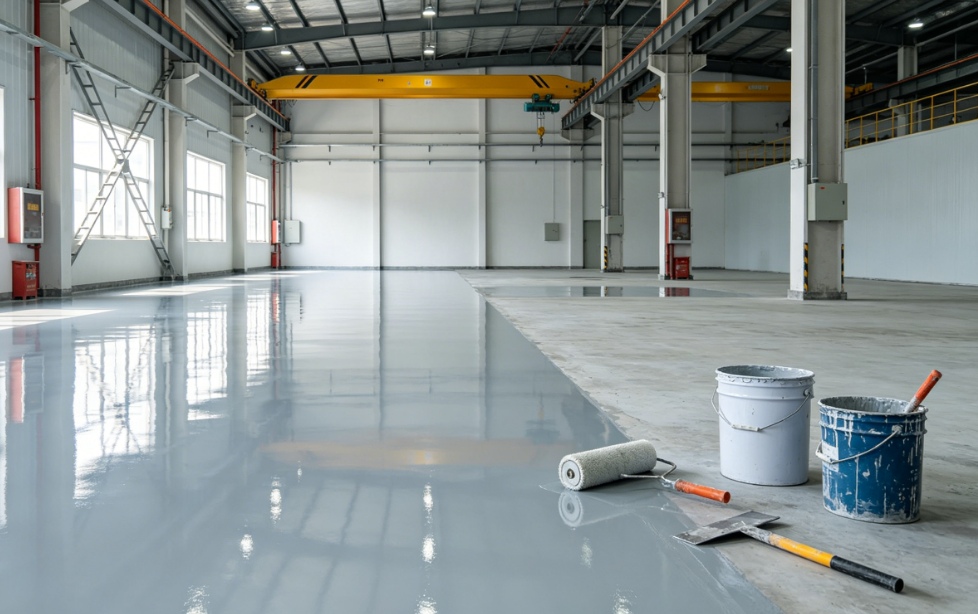
Surface Preparation and Floor Readiness
The success of a DIY epoxy floor coating project depends heavily on how well the surface is prepared before application.
- Concrete cleaning and degreasing
The floor must be thoroughly cleaned to remove oil, dust, grease, and old coatings. Any contamination can prevent epoxy from bonding properly, leading to peeling or bubbling later. - Surface grinding or acid etching
Mechanical grinding or chemical etching is used to create a rough surface profile. This step is critical because epoxy adheres best to slightly porous surfaces rather than smooth concrete. - Moisture testing
Excessive moisture in concrete may lead to coating failure. A simple plastic sheet test or a professional moisture meter can help determine whether the floor is ready for epoxy application.
Mixing and Applying Epoxy Coating
Proper mixing and application technique are essential to achieve a smooth and durable finish.
- Correct ratio mixing
Epoxy resin and hardener must be mixed in the exact ratio specified by the manufacturer. Incorrect mixing can result in soft spots or incomplete curing. - Working time management
Once mixed, epoxy has a limited working time before it begins to harden. It is important to work in small sections to avoid uneven application. - Application tools usage
Rollers, squeegees, and brushes are commonly used to spread the coating evenly. A spiked roller may also be used to remove air bubbles and improve surface smoothness.
Common DIY Challenges and Mistakes
Although DIY epoxy floor coating is achievable, several common issues can affect the final result.
- Uneven coating thickness
Inconsistent application can lead to visible lines, patches, or weak areas that wear out faster under pressure. - Dust contamination during curing
If the area is not properly sealed, dust particles can settle on the wet epoxy surface, reducing both appearance and durability. - Temperature and humidity sensitivity
Epoxy performance is highly affected by environmental conditions. High humidity or low temperatures can slow curing or cause surface defects.
Durability and Performance Expectations
A properly applied epoxy floor coating can deliver long-lasting protection and improved floor performance.
- High resistance to wear and chemicals
Epoxy floors are ideal for garages and industrial spaces because they resist oil, fuel, cleaning agents, and heavy machinery traffic. - Improved surface safety
Anti-slip additives can be mixed into the coating to reduce the risk of slipping in wet or oily conditions. - Long service life potential
When applied correctly, epoxy flooring can last many years with minimal maintenance, especially in residential environments.
When to Consider Professional Help or Suppliers
While DIY installation is possible, some situations require expert guidance or professional-grade materials.
- Large-scale or industrial projects
For warehouses or factories, improper application can lead to costly repairs, making professional installation more reliable. - Material selection support
Consulting floor coating suppliers helps ensure you select the correct epoxy type, whether for heavy-duty industrial use or decorative residential flooring. - Special performance requirements
Environments requiring anti-static, chemical resistance, or high-load capacity coatings may need specialized formulations that are difficult to apply without experience.
Conclusion
Epoxy floor coating can be applied as a DIY project if proper preparation, mixing, and application techniques are followed. However, it requires attention to detail, patience, and understanding of environmental conditions to achieve a durable and professional finish. While small residential projects can often be completed successfully by homeowners, larger or more complex applications may benefit from expert advice or materials sourced from reliable floor coating suppliers. Ultimately, choosing between DIY and professional installation depends on project size, performance requirements, and long-term durability expectations.
0