

Armored cables and double-sheathed cables are both designed to improve safety and durability, but their construction, protection levels, and applications differ significantly. Choosing the right cable type ensures optimal performance and long-term reliability in specific environments.

Construction Differences
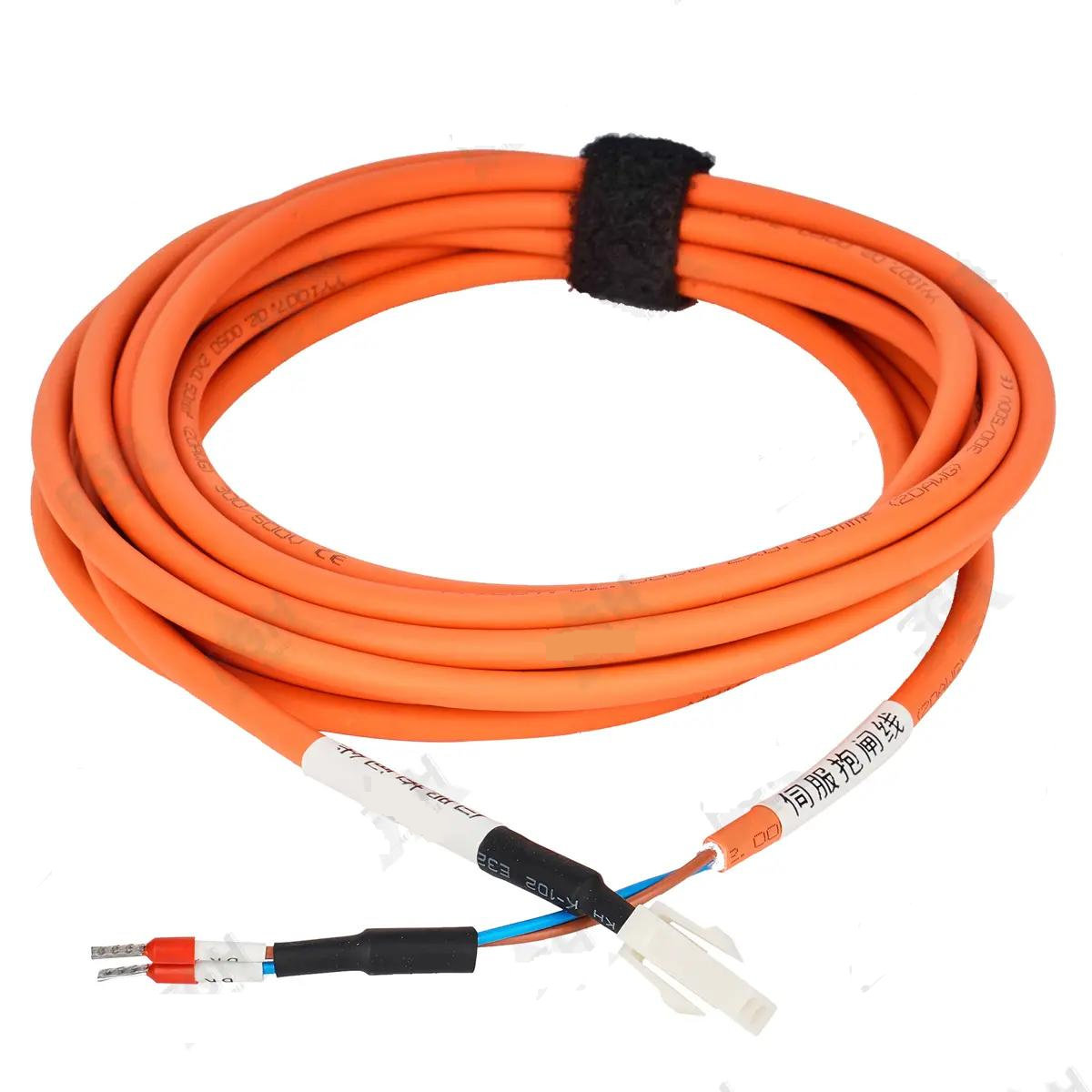
The primary difference lies in construction. Double sheathed cables have two layers of insulation: an inner sheath around the conductor and a durable outer sheath for mechanical and environmental protection.
Armored cables, on the other hand, include a metallic armor layer between the conductor insulation and the outer sheath. This metal layer—usually steel or aluminum—provides superior mechanical protection against crushing, impact, and rodents.
While both designs protect against wear, the armored cable emphasizes extreme physical protection, whereas double sheathed cables balance mechanical defense with environmental and chemical resistance.
Mechanical Protection
Both cable types offer resistance to mechanical stress, but the approach differs.
- Armored cables are designed to withstand heavy impact and crushing forces. They are commonly used in underground or industrial environments where cables may be exposed to heavy machinery or accidental compression.
- Double sheathed cables provide mechanical protection primarily through their robust outer sheath. While strong, they are more flexible and suitable for environments where cables need to bend, move, or resist friction.
- In contrast, armored cables are less flexible due to the metallic layer but excel in situations where extreme protection is necessary.
Environmental and Chemical Resistance
Double sheathed cables excel at resisting environmental factors such as UV radiation, moisture, chemicals, and temperature extremes. Their dual-layer design keeps the inner conductor insulated from harsh conditions.
Armored cables provide some environmental protection but generally rely on the outer sheath for chemical and moisture resistance. The metallic armor mainly addresses mechanical hazards, not chemical or UV exposure.
Therefore, double sheathed cables are better suited for corrosive or outdoor environments where flexibility and chemical resistance are required.
Flexibility and Installation
Flexibility is a critical consideration for cable installation.
- Double sheathed cables are more flexible than armored cables, making them easier to route through tight spaces or around bends. This flexibility is valuable in industrial automation, machinery, or temporary installations.
- Armored cables, by contrast, are stiffer because of the metallic layer. While they can be bent to some degree, they require careful handling and larger bending radii. They are best for straight runs or protected installations, such as conduits or underground duct systems.
Fire and Electrical Safety
Both cable types provide insulation and contribute to fire safety.
- Double sheathed cables often use fire-retardant materials in the outer sheath, offering added protection in hazardous areas.
- Armored cables can also include fire-resistant features, but the metallic armor does not directly prevent flame propagation. Instead, the armor protects the cable from mechanical damage that might otherwise compromise electrical insulation.
For high-temperature or fire-prone applications, the choice depends on whether environmental or mechanical threats are the priority.
Cost and Maintenance
The cost of armored cables is typically higher than that of double sheathed cables due to the metallic armor layer and heavier construction. Installation can also be more labor-intensive because of the stiffness and weight.
Double sheathed cables offer lower initial costs, easier handling, and reduced installation effort. Maintenance is also simplified, especially in settings where flexibility and chemical resistance are critical.
For applications with extreme mechanical hazards, however, the durability of armored cables can justify the higher cost.
Application Differences
Double sheathed cables are preferred in chemical plants, outdoor installations, renewable energy projects, and areas where flexibility, environmental protection, and insulation stability are important.
Armored cables are typically used in underground installations, mining operations, or high-impact industrial environments where the cable may be subjected to crushing, heavy loads, or rodent attacks.
They are ideal for permanent installations requiring maximum mechanical protection.
Conclusion
While armored cables provide superior mechanical protection, double sheathed cables offer a balance of flexibility, environmental resistance, and durability. Understanding these differences ensures safer, longer-lasting electrical systems tailored to their environment.
0