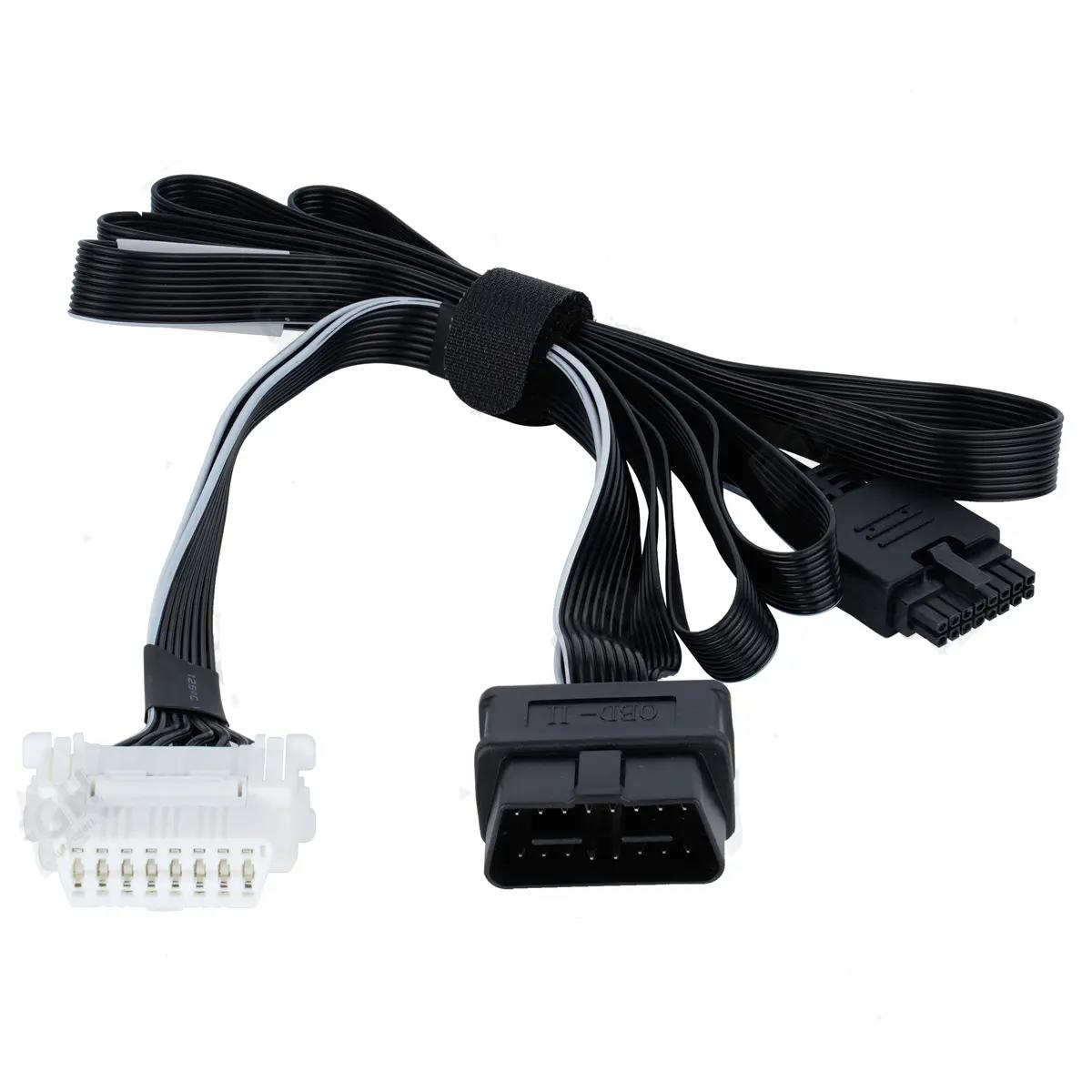


In modern cities, many traffic signal timers are now integrated into central control systems to coordinate intersections, monitor traffic flow, and respond to traffic conditions in real time.
By connecting local controllers to a central network, cities can improve efficiency, alleviate congestion, and adjust more quickly in the event of emergencies or unusual traffic incidents.
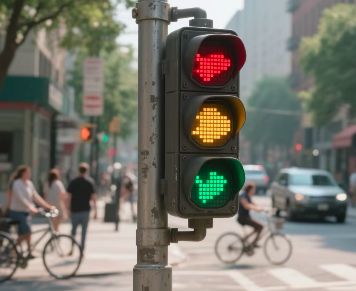
Key Components of a Connected System
A traffic signal timer connected to a central system relies on several core components that work together seamlessly:
1. Local Controllers:
Each intersection has a control unit that manages its signal timing. These devices execute timing plans but also send performance data to the central platform.
2. Communication Networks:
Fiber optics, cellular modems, or wireless mesh networks allow real-time data exchange. Stable communication ensures that changes made centrally reach each intersection instantly.
3. Central Management Software:
At the heart of the network, this software analyzes traffic conditions, manages adaptive signal plans, and generates performance reports.
4. Monitoring Dashboards:
Operators can visualize congestion patterns, detect equipment faults, and even simulate timing changes before deploying them citywide.
Together, these elements form an intelligent ecosystem that responds to evolving road conditions efficiently.
Benefits of Connecting Traffic Signal Timers
Integrating traffic signal timers into central control systems offers a range of advantages:
- Improved Coordination: Synchronizing multiple intersections reduces stop-and-go driving, leading to smoother traffic flow.
- Reduced Congestion: The system can detect bottlenecks early and automatically adjust signal cycles.
- Faster Response to Failures: If a timer malfunctions, technicians receive instant alerts, minimizing downtime.
- Better Emergency Management: During accidents or special events, operators can modify signal timings remotely to prioritize specific routes.
- Data-Driven Decisions: Centralized data collection helps planners evaluate performance and optimize future traffic strategies.
These benefits combine to create a safer, more efficient network that adapts to city needs in real time.
Communication and Data Sharing
Modern traffic signal timers are equipped with interfaces that support standardized communication protocols such as NTCIP or Ethernet/IP. These protocols enable timers from different manufacturers to interact within a single network.
Data sharing is continuous — from vehicle counts to average waiting times — and the central system uses this information to refine signal coordination.
This real-time communication also allows predictive modeling. For example, if sensors detect rising traffic on a highway exit, the system can preemptively adjust downstream lights to prevent congestion.
Such intelligent coordination transforms traditional static signals into dynamic tools that respond intelligently to human movement.
Security and Reliability Concerns
While connectivity improves efficiency, it also introduces new risks. Networked traffic signal timers require strong cybersecurity measures to prevent unauthorized access.
Encryption, firewalls, and access control systems protect communication between intersections and the central hub.
Moreover, redundancy is critical. Backup servers, secondary power sources, and fail-safe modes ensure that if the connection to the control center is lost, local timers continue operating safely on pre-set cycles.
Reliable system architecture guarantees that even in emergencies or power outages, the city’s traffic doesn’t collapse.
Applications in Smart City Management
Connected traffic signal timers are a cornerstone of smart city infrastructure. They interact not only with other intersections but also with public transportation systems and emergency vehicles.
Similarly, during emergencies, central operators can create “green corridors” for ambulances or fire trucks by coordinating multiple intersections simultaneously.
Beyond mobility, the collected traffic data also helps environmental planners analyze emissions, energy use, and travel patterns — contributing to broader sustainability goals.
Conclusion
Connecting traffic signal timers to a central control system can transform intersections into intelligent, responsive networks. This connection not only manages traffic but also helps cities think and act collaboratively.
0