

It is necessary to have a car for transportation purposes, but with continuous usage, different types of mechanical and electrical problems may occur. Difficulty starting a car, abnormal engine noise, faulty brake components, and low fuel economy may appear to be small problems initially, but overlooking them will increase the cost of repair and may also impact the safety of driving.
There are many problems related to cars that give early indications before becoming severe problems. The indication of any problem can be given by the warning lights present in the dashboard, noise from the car, changes in the performance of the car, and unusual smells from the car.
Research has shown that frequent inspection and repairs will help to reduce the cost of car maintenance in the future. There are many car problems that are less expensive when repaired in time. This paper will discuss ten common car problems along with their solutions.
1.10 Common Car Issues and Fixes for Them
There are several problems associated with cars that may occur in the course of their normal operation, and most of them come with some signs that indicate a problem before it turns into something major.
These are the top 10 common car problems that you can encounter and that need to be solved to avoid further complications.
1.1 Dead or Weak Car Battery
The car battery serves to generate electricity that will enable the engine to start as well as run the different electronic devices in the automobile. Some of the signs indicating problems with the battery include slow engine start, dull headlights, and difficulties when trying to start the car.
Some of the reasons why the battery could have developed some problems include aging, high temperatures, corrosion on the terminals, and not running the vehicle for long periods of time. Usually, an average car battery lasts for 3-5 years.
The solution to battery issues includes checking the battery’s voltage and terminals. If the battery has gone past its service life, then it needs to be replaced.
1.2 Engine Overheating
Overheating of engines is an issue that should not be overlooked because overheating can affect crucial parts of the engine.
Typical warning signs include:
- Temperature gauge rising above normal levels;
- Steam or heat coming from the engine area;
- Low coolant levels;
- Reduced air conditioning performance.
Overheating might be caused by any number of problems, such as a coolant leak, a problem with the radiator, a faulty water pump, and a thermostat that fails to work properly. In case the engine overheats, the driver needs to safely stop the vehicle and let the engine cool off. One should also avoid opening the coolant cap when the engine is hot, since the hot, pressurized coolant can burn a person.
1.3 Brake System Problems
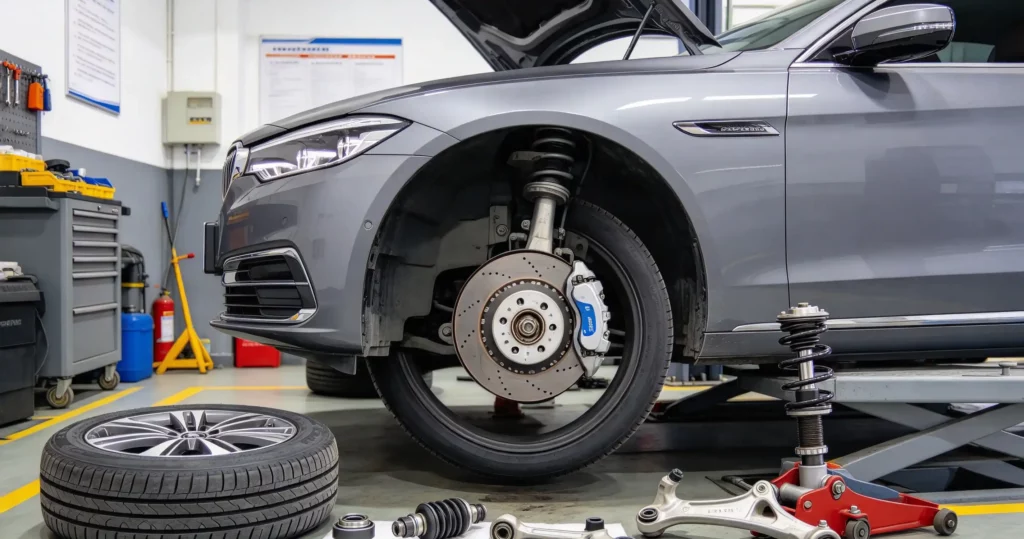
The brake system is one of the most essential safety features in any car. Issues with the brakes, brake pads, and fluid may decrease efficiency.
Common warning signs include:
- Squealing or grinding noises;
- Longer stopping distances;
- A soft or unusual brake pedal feeling;
- The car pulls to one side when braking.
Brake pads usually last for about 30,000 to 70,000 miles, though factors like driving conditions significantly influence their longevity.
To solve brake problems, drivers should inspect brake pad thickness, check rotor condition, and replace worn components when necessary. Regular brake inspections help maintain reliable stopping performance.
1.4 Tire Wear and Low Tire Pressure
The tires are the only components in a car that actually come into contact with the road; therefore, it is important to take proper care of your tires.
Common tire problems include:
- Low tire pressure;
- Uneven tread wear;
- Cracks or visible damage;
- Poor vehicle stability.
When the tire pressure is imbalanced, you will end up spending more money on fuel and wearing out the tires.The most effective thing that should be done is to monitor the tire pressure monthly at the factory-recommended pressure.
It is recommended that tires be replaced before heavy damage occurs.
1.5 Check Engine Light Issues
The check engine light is one of the most common warning signals drivers encounter. It indicates that the vehicle’s computer system has detected a potential problem.
Possible causes include:
- Faulty oxygen sensors;
- Ignition system problems;
- Emission system failures;
- Engine sensor issues.
While a car may still run perfectly fine with the check engine light turned on, ignoring this light may turn what was initially a minor problem into something bigger.
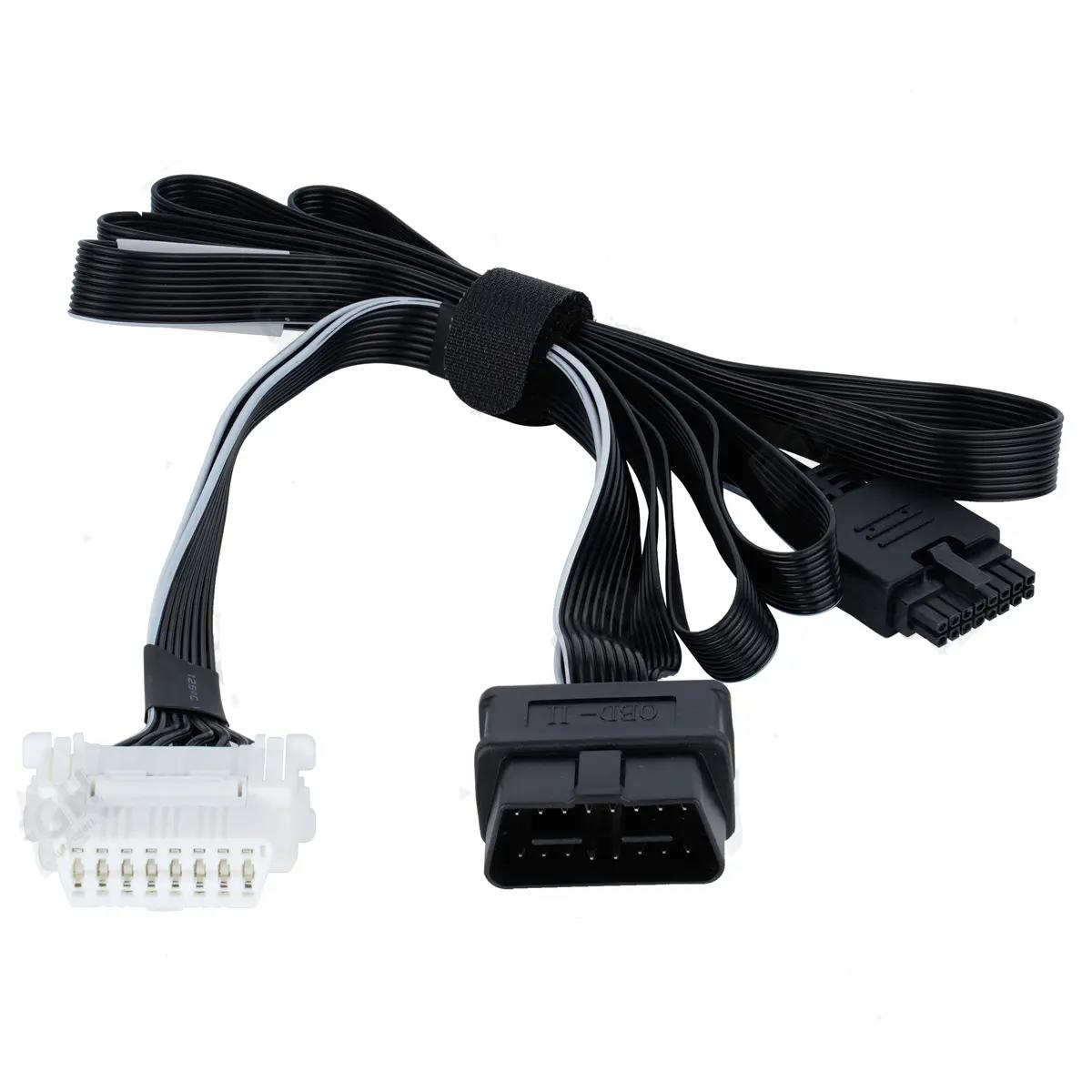
A driver may choose to check for trouble codes through the use of an OBD scanner in order to know more about the problem. When the light starts blinking, there could be performance issues.
1.6 Oil Leaks and Low Engine Oil
Engine oil plays a critical role in reducing friction, protecting internal components, and helping the engine operate efficiently.
Signs of oil-related problems may include:
- Oil spots under the vehicle;
- Unusual engine noises;
- Low oil warning lights.
An oil leak could be the result of worn-out seals, a cracked oil pan, or an oil filter issue. On average, all vehicles require their oil to be checked or replaced at least once within the 5,000-7,500 miles range. Repairing the oil leakage will help prevent severe engine damage due to lack of lubrication.
1.7 Transmission Problems
The transmission determines how power from the engine is transferred to the wheels. Due to the high cost of repairs, it is important to detect problems at an early stage.
Symptoms of a faulty transmission are as follows:
- Rough shifting;
- Delayed gear engagement;
- Strange noises;
- Poor acceleration response.
The reasons for this might include low transmission fluid, worn parts, or mechanical failure within the transmission.
Proper inspection and maintenance of the transmission, according to the manufacturer’s schedule, will help ensure longevity.
1.8 Worn Spark Plugs
Spark plugs provide the spark that is necessary for the combustion process. If the spark plugs are worn out, the engine’s efficiency will be reduced.
Signs of malfunction include:
- Difficult starting;
- Rough idling;
- Increased fuel consumption;
- Reduced engine power.
The conventional spark plugs generally have a life expectancy of 30,000 miles. On the other hand, iridium spark plugs have a mileage range of 60,000 to 100,000 miles. Adherence to the car manufacturer’s specifications when changing spark plugs is bound to improve engine performance and efficiency.
1.9 Suspension and Steering Problems
Suspension and steering systems are critical in ensuring the stability and handling of vehicles.
Some common warning indicators are:
- Unusual noises over bumps;
- Steering wheel vibration;
- Vehicle pulling to one side;
- Poor handling.
The reason for this could be worn-out shock absorbers, malfunctioning ball joints, or failure of steering parts.
If there is any change in the way their car behaves while driving, then the suspension and steering components need to be checked immediately.
1.10 Lighting and Electrical System Failures
Modern vehicles rely heavily on electrical systems for lighting, sensors, and interior functions.
Common electrical issues include:
- Headlights not working;
- Turn signals failing;
- Interior electronics malfunctioning.
Causes may be broken bulbs, tripped fuses, or wiring problems.
A number of lighting problems can be fixed by changing the defective bulbs or the electrical connections. But repeated electrical problems need professional examination to find wiring problems.
2. How to Prevent Car Problems from Getting Worse?
Follow a Regular Maintenance Schedule
Preventive maintenance is the most effective way to avoid major vehicle problems. Regular checks should include:
- Engine oil changes;
- Brake inspections;
- Tire pressure checks;
- Fluid level inspections.
Routine maintenance helps identify small issues before they develop into expensive repairs.
Pay Attention to Early Warning Signs
Changes like noises, smells, poor performance, and warning signals should never be overlooked by drivers. Addressing them early will often result in less complex and costly fixes.
Keep Maintenance Records
Service history maintenance is important in allowing the owner to keep track of repairs, replacement schedules, and to preserve the value of the car.
Conclusion
Vehicle problems seldom happen all at once. In fact, most times there are warning signs before the problem becomes too severe for the driver. Knowledge of vehicle problems and taking preventative measures can save the driver money on repairs, increase safety, and prolong the life of the vehicle.
Battery and engine cooling problems, as well as brakes and electrical malfunctions, are all problems that should be monitored through inspection and maintenance. The best way to avoid major repair work is by addressing small problems before they become major ones.
0