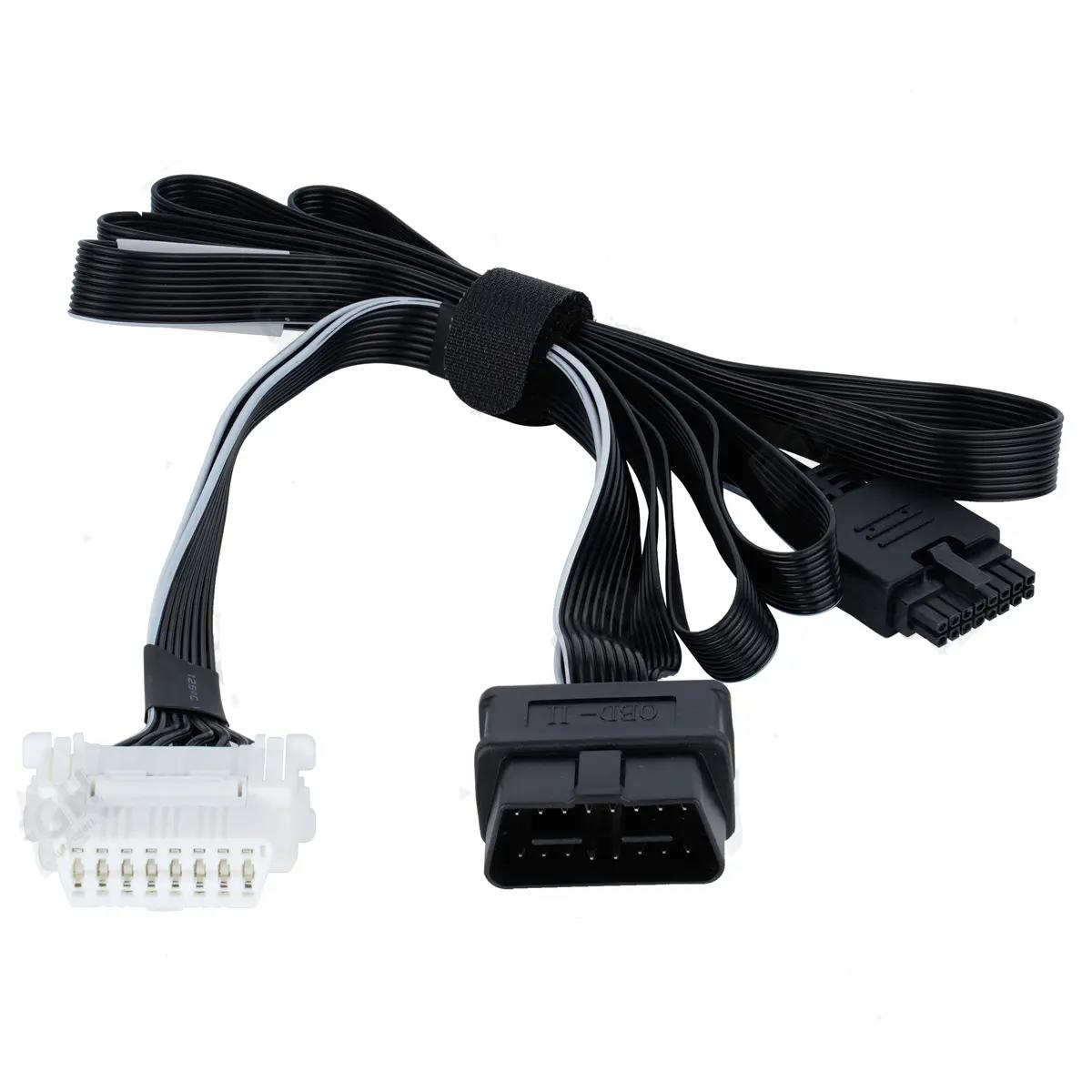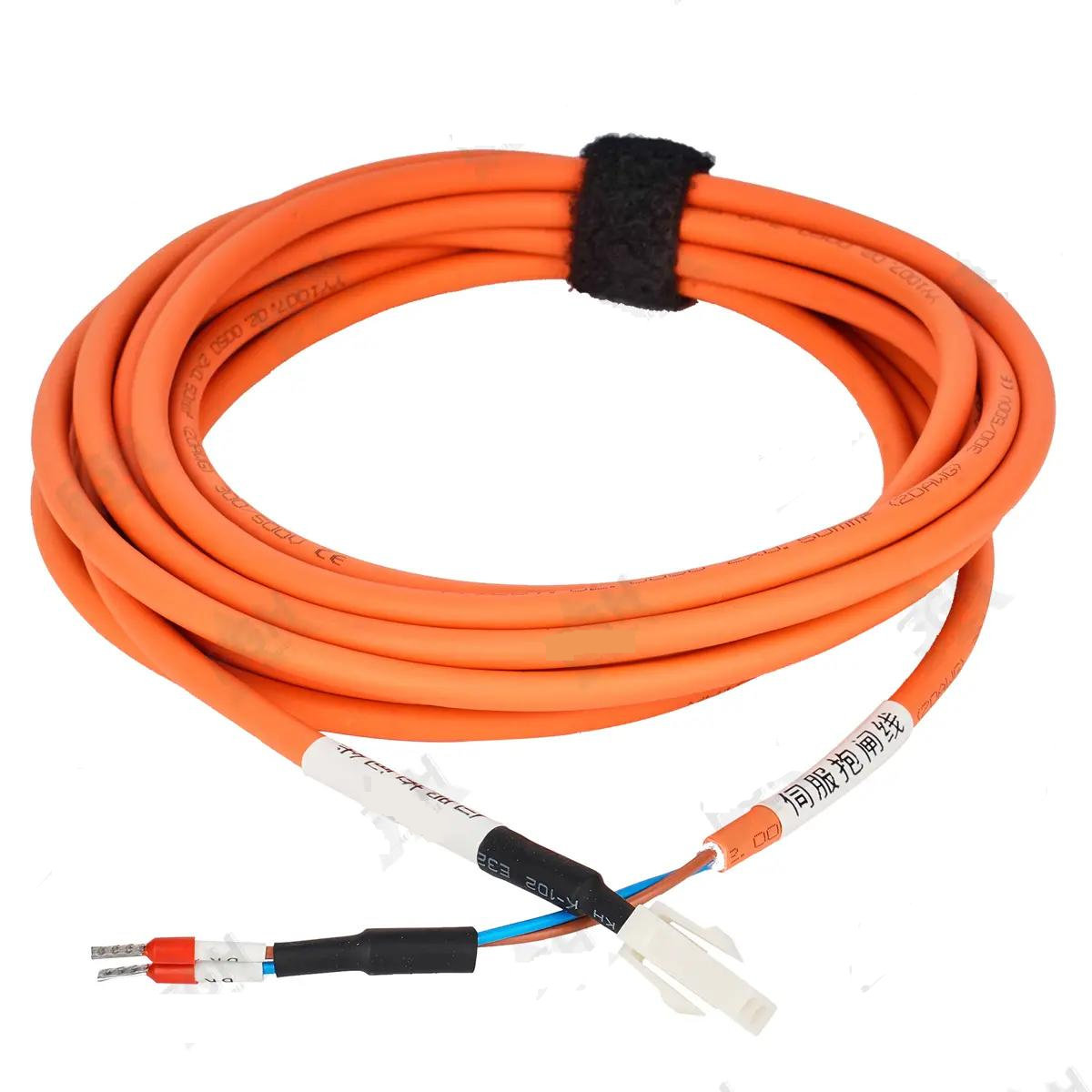


The fiber optic drop cable is a key component in modern broadband and FTTH (Fiber to the Home) networks, responsible for connecting the main optical distribution line to end users such as homes, offices, and small businesses. When people search for how much does a fiber optic drop cable cost, they are usually trying to understand both material pricing and installation-related expenses. In reality, the cost is not fixed, as it depends on cable structure, performance requirements, environment, and purchase volume. Generally, fiber optic solutions are considered cost-efficient for long-distance, high-speed data transmission, but the exact pricing varies widely across different applications.
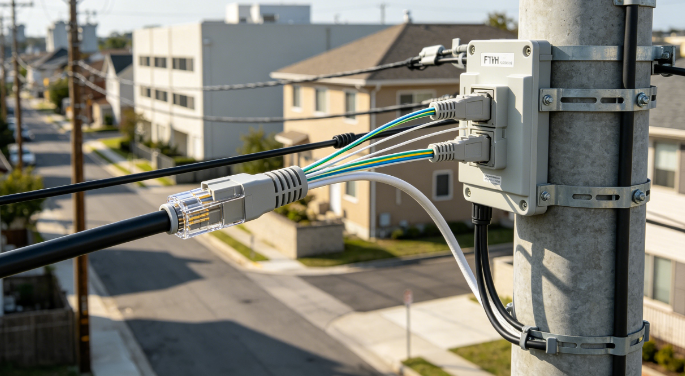
Structural Design and Material Influence
The internal structure of a fiber optic drop cable directly affects its manufacturing complexity and final price.
- Fiber core type (single-mode vs multi-mode)
Single-mode cables are more expensive because they support long-distance transmission with minimal signal loss, making them ideal for telecom infrastructure. Multi-mode versions are cheaper and mainly used for short-distance connections such as campus or building networks. - Strength member materials
Steel wire reinforcement increases durability and tensile strength, especially for aerial installations, but also raises production costs. FRP (Fiber Reinforced Plastic) is a lighter alternative, offering corrosion resistance at a moderate price level. - Outer jacket protection level
LSZH (low smoke zero halogen) jackets provide better fire safety and environmental protection, increasing cost. Standard PE jackets are more affordable but less resistant in harsh conditions. - Cable design form
Flat drop cable is typically cheaper and easier to install, while round or self-supporting structures require additional components, making them more expensive.
Key Factors That Affect Pricing
Several real-world factors influence the final market price of a fiber optic drop cable.
- Installation environment requirements
Outdoor deployment demands waterproof, UV-resistant, and temperature-stable materials, which increases manufacturing cost compared to indoor use. - Cable length and purchasing scale
Pricing is often calculated per meter. Large telecom projects purchasing in bulk usually receive significant discounts, reducing overall unit cost. - Fiber count inside the cable
Higher fiber counts increase data capacity but also raise production complexity, which directly impacts price. - Customization requirements
Special designs such as rodent-resistant coatings, armored protection, or flame-retardant features add extra manufacturing steps and cost. - Supplier quality and certification level
Certified manufacturers following ISO or Telcordia standards typically charge more, but they ensure higher stability and longer service life.
Market Price Overview
The cost of a fiber optic drop cable varies depending on specification, quality, and application scenario. Below is a general reference range:
- Basic indoor cables
Standard indoor models usually cost around $0.05–$0.15 per meter, suitable for simple home or office installations with minimal environmental stress. - Outdoor FTTH cables
Reinforced outdoor versions typically range from $0.15–$0.40 per meter, commonly used by ISPs for last-mile connections. - Self-supporting aerial cables
These include messenger wires for overhead installation, costing approximately $0.40–$0.90+ per meter, depending on strength and fiber type. - Bulk telecom supply pricing
Large-scale infrastructure projects can reduce unit cost by 20%–50% through wholesale purchasing agreements.
How to Choose Cost-Effective Fiber Optic Drop Cable
Selecting the right fiber optic drop cable requires balancing cost, performance, and durability rather than focusing only on price.
- Match cable type with application scenario
Indoor environments only require basic protection, while outdoor or aerial installations need reinforced structures to ensure stability. - Evaluate performance requirements carefully
Single-mode options are more expensive but essential for long-distance communication, reducing future upgrade needs. - Consider environmental conditions
Harsh weather areas require UV-resistant and waterproof jackets, which may increase initial investment but reduce long-term maintenance costs. - Check supplier reliability and standards
High-quality manufacturers ensure stable performance, reducing the risk of network failure and repair expenses. - Look at the total lifecycle cost
A cheaper cable may lead to higher maintenance costs later, so long-term performance should be considered alongside initial pricing.
Conclusion
The cost of a fiber optic drop cable is influenced by multiple factors, including structure design, material selection, installation environment, fiber count, and order volume. Prices typically range from a few cents per meter for basic indoor types to nearly one dollar per meter for advanced self-supporting outdoor models. While budget is important, choosing the right fiber optic drop cable should prioritize durability, performance, and long-term stability. By understanding these cost drivers, users can make more informed decisions and achieve a better balance between investment and network efficiency.
0