

The 80mm thermal receipt printer is an essential tool in modern commerce, renowned for its efficiency and versatility. This printer type is widely adopted across numerous industries, offering businesses a seamless way to handle transactions, streamline operations, and ensure professionalism. Below, we will explore the various scenarios where these printers shine, along with related functionalities and advantages.
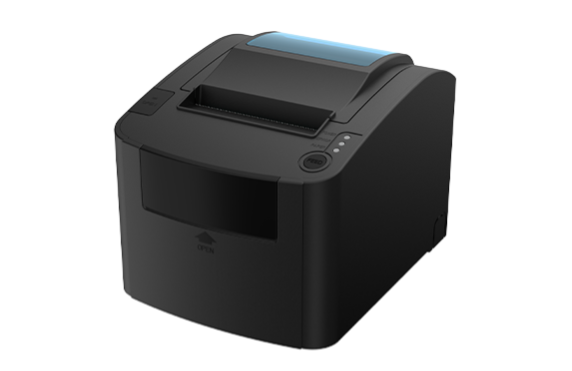
Applications of 80mm Thermal Receipt Printer Across Industries
1. Retail and Supermarkets: A Cornerstone of Transactions
One of the most common applications of the 80mm thermal receipt printer is in retail environments, from small boutiques to sprawling supermarkets. These printers are used to provide customers with accurate transaction records quickly. In fact, studies show that over 85% of retail outlets globally utilize thermal receipt printers due to their speed and low maintenance costs. With printing speeds averaging 200mm per second, they ensure reduced customer wait times at checkout counters.
2. Restaurants and Food Delivery Services
In the food industry, 80mm thermal receipt printers are crucial for generating order tickets, customer receipts, and kitchen slips. They simplify operations by directly linking to point-of-sale systems, enabling precise communication between the front-of-house staff and kitchen teams. For instance, a restaurant processing 500 orders daily may depend on these printers to maintain accuracy and efficiency. Additionally, food delivery platforms utilize them for printing order summaries, ensuring clear communication with drivers.
3. Logistics and Shipping
The logistics and shipping sectors rely heavily on 80mm thermal receipt printers for tasks such as printing shipment labels, delivery receipts, and barcode tags. These printers are particularly valued for their ability to handle large volumes, with some devices capable of producing over 300 receipts daily in high-demand operations. The thermal printing process eliminates the need for ink, significantly lowering operational costs in this fast-paced industry.
Additional Uses and Emerging Trends
1. Parking and Transportation
Parking lots and public transportation hubs often employ 80mm thermal receipt printers to issue parking tickets, transit receipts, or toll booth slips. These printers enhance user convenience by providing quick, legible prints. For example, a parking facility handling 1,000 vehicles per day might rely on thermal printers to streamline customer flow.
2. Healthcare Facilities
Hospitals and clinics utilize these printers for generating payment receipts, appointment details, and prescription records. Their capability to print sensitive information clearly and securely makes them a suitable choice in healthcare environments. Approximately 70% of clinics worldwide report improved patient satisfaction after adopting digital receipt solutions like thermal printers.
3. Independent E-Commerce Stores
For independent station marketing and e-commerce, the 80mm thermal receipt printer is increasingly popular. It facilitates the printing of professional-quality receipts for customers, reinforcing a brand’s credibility. This is particularly beneficial for businesses processing up to 200 orders weekly.
Why Choose 80mm Thermal Receipt Printers?
The success of the 80mm thermal receipt printer lies in its unique advantages:
- Low Maintenance: With no need for ink or toner, operating costs are minimized.
- High Durability: Thermal printers are built to withstand demanding environments.
Moreover, the technological advancements in these printers have led to the inclusion of wireless connectivity and compatibility with mobile devices, further extending their usability in modern industries.
Conclusion
In summary, the 80mm thermal receipt printer is indispensable across numerous fields, including retail, food services, logistics, healthcare, and more. Its efficiency, durability, and cost-effectiveness make it a valuable asset for businesses striving to improve operational workflows. As industries continue to evolve, the role of these printers is expected to grow, integrating seamlessly with future innovations and meeting the rising demands of a digital-first world.
0