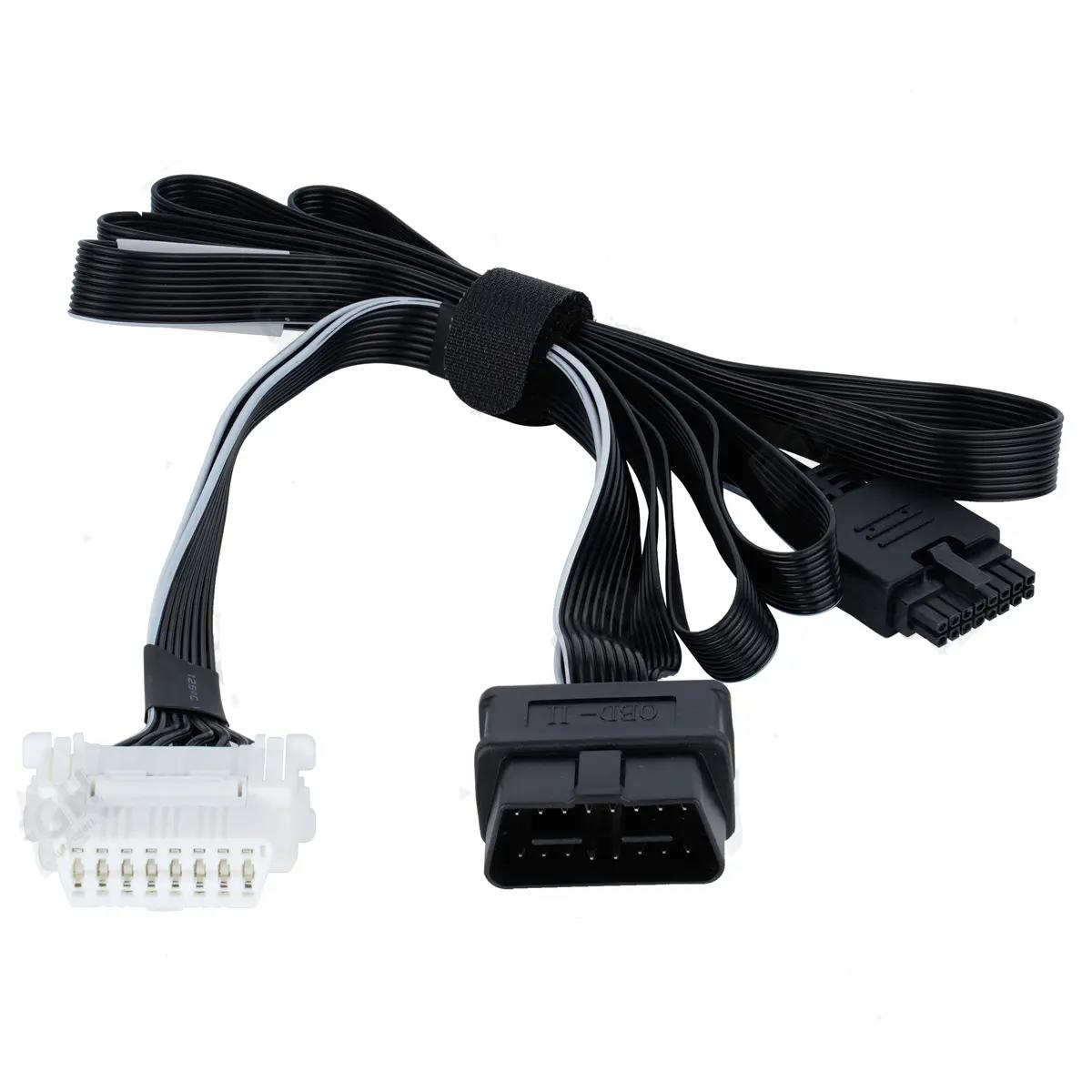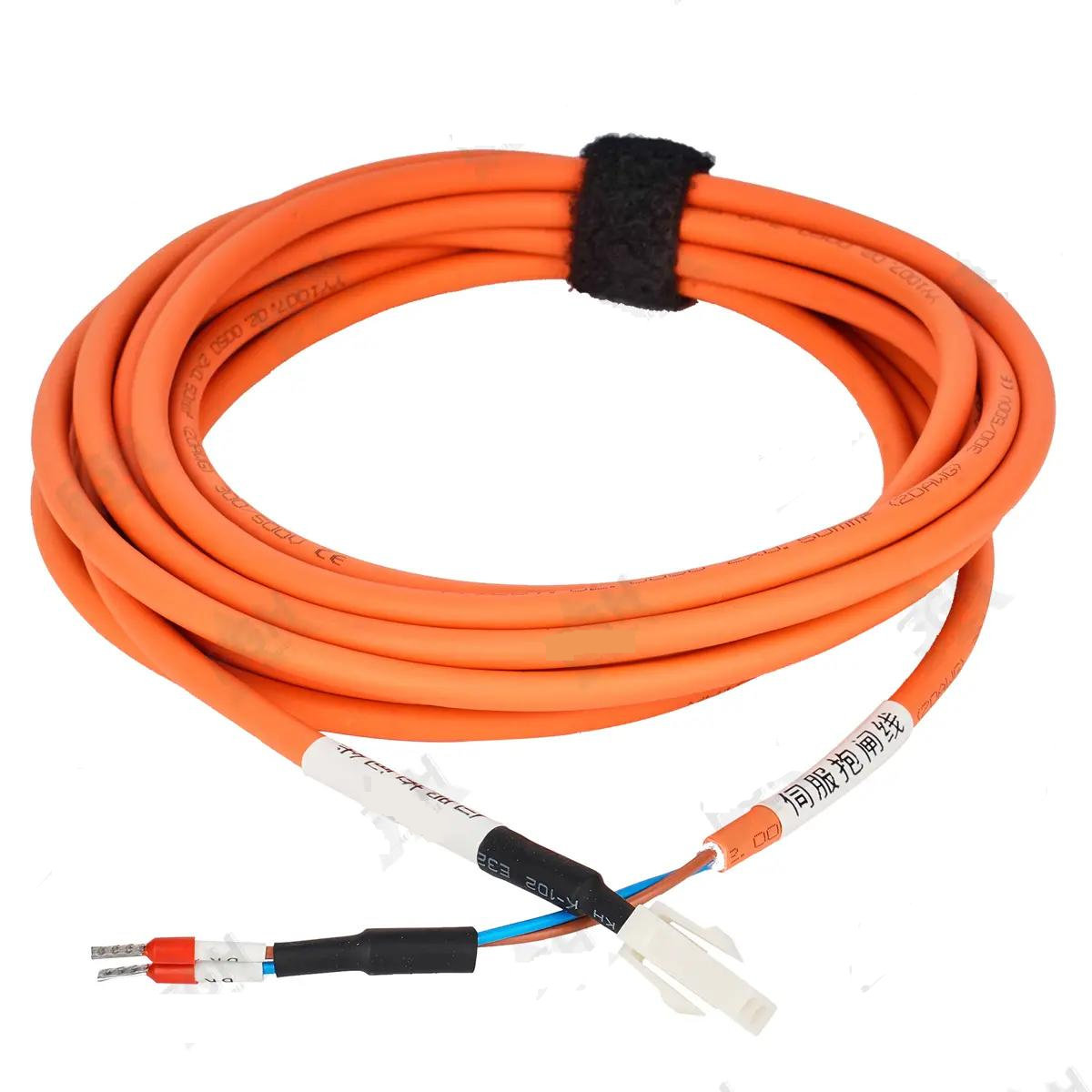


Blenders are essential electronic devices that convert electrical energy into mechanical energy, allowing tasks to be performed automatically with minimal effort. A key component in this process is the blender driver, which ensures the efficient operation of the motor by managing the interaction between the motor and the microcontroller. Choosing the right blender driver is crucial for optimizing the performance of your blender.
Functions of the Blender Driver
Power Supply: The blender driver supplies the necessary power to operate at the required speed and torque.
Control: It manages the speed and direction of the blender’s rotation, ensuring smooth and efficient operation.
Why Do You Need a Blender Driver?
A blender driver is essential because the microcontroller, which controls the motor, operates at a lower voltage than the motor itself. Directly connecting the microcontroller to the motor would not work effectively, as the motor requires a higher voltage to function. The blender driver acts as an intermediary, amplifying the signals from the microcontroller to provide the motor with the power it needs.

Key Benefits of a Blender Driver
High Reliability
Blender drivers are designed with protective features to safeguard the driver ICs from excessive voltages, currents, and other potential malfunctions. These drivers also ensure safety by reporting fault conditions to an external host processor and limiting currents to the motor during critical situations such as startup, forced shutdown, or restraint.
Low Power Consumption and High Efficiency
Blender drivers can significantly reduce motor power consumption using advanced power supplies and drive technology. High efficiency is achieved across various rotation rates, from low to high speeds, by incorporating features like automatic lead angle modification.
Quietness and Low Vibration
Optimizing the driving waveform is essential for reducing operational noise and vibrations in the motor. Depending on the application, different technologies can be used to achieve this. For instance, a brushless DC motor driver might employ optimal commutation technology, while a fan blender driver could use a soft start technique or a stepping blender driver might utilize current attenuation methods.
Control and Convenience
For advanced motor applications, digital rotation control technology, such as FLL (Frequency Locked Loop) and PLL (Phase Locked Loop) control, is crucial. These technologies, along with high-precision positioning control algorithms, contribute to the high performance of motors. Drivers that integrate hard logic for control algorithms directly into their ICs make the design process more straightforward and enhance user experience. Furthermore, when specifications change during development, the driver must allow for easy substitutions without needing to rework the PCB layout of the control board.
Ensuring Efficient Blender Operation
Understanding the role of the blender driver is essential for optimizing the performance and efficiency of your blender. By properly integrating a high-quality blender driver, you can ensure that your blender operates safely and effectively, reducing the risk of malfunctions and improving overall user experience.
0