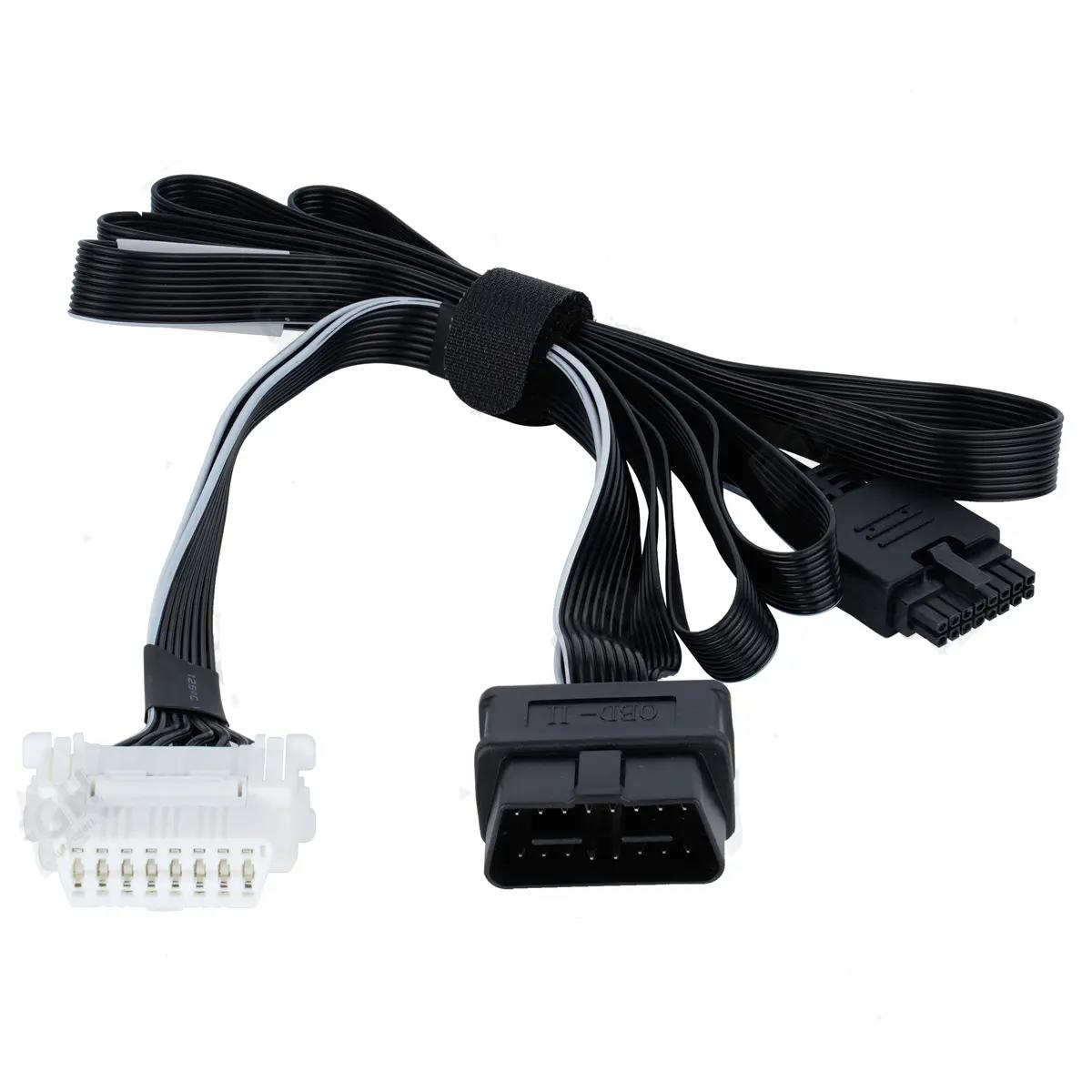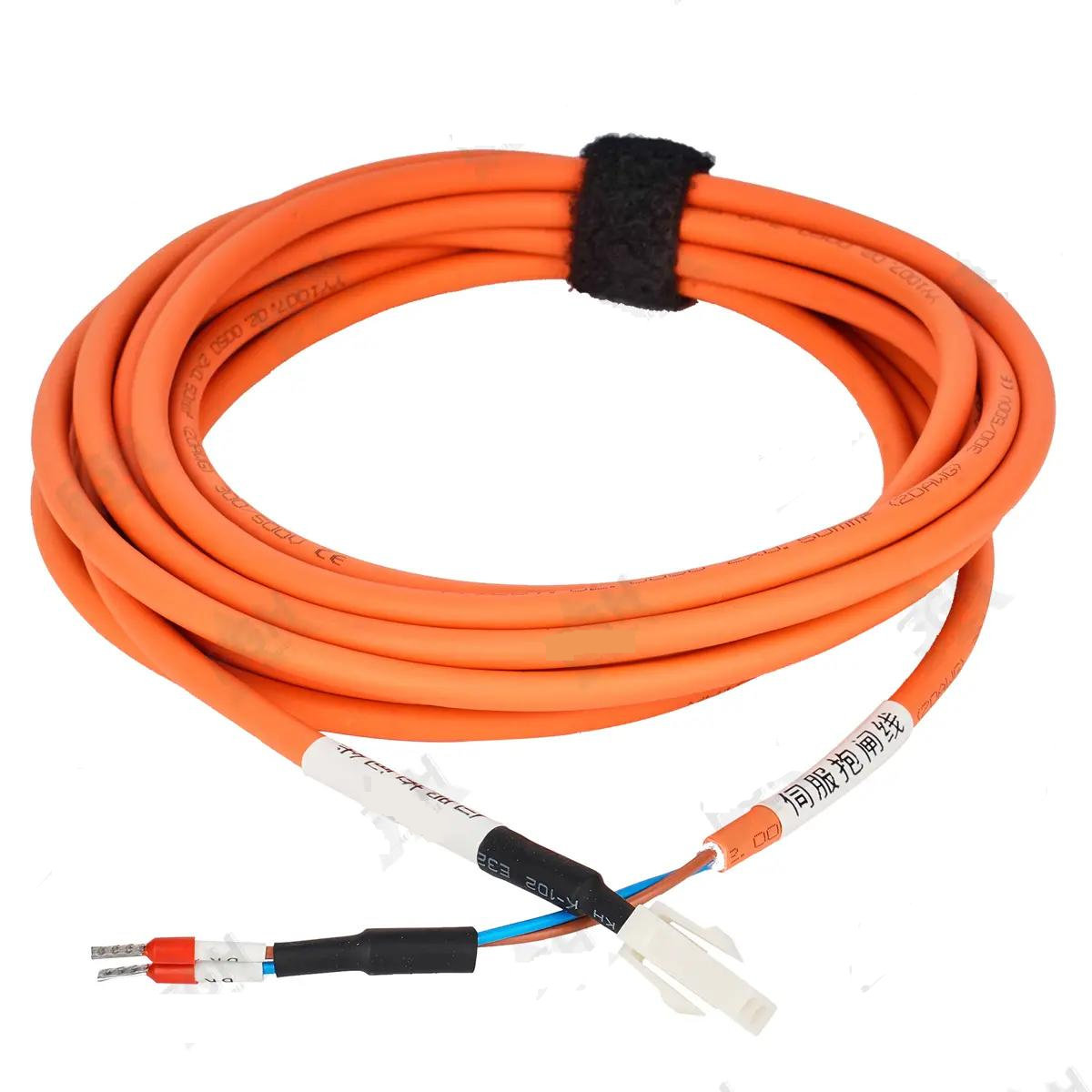


Automotive wiring harness connectors are a key component of automotive circuits, enabling connection and disconnection between various parts of the circuit. However, sometimes problems such as poor contact or damage may occur and need to be replaced. The following details how to replace a car wiring harness connector.
Preparation for replacing the Automotive wiring harness connector
Before replacing the automotive wiring harness connector, some preparations need to be done, including:
Confirm the problem: First, you need to check whether there is a problem with the car wiring harness connector, such as whether it is in poor contact or damaged, etc. You can confirm the specific location of the problem by checking the circuit, listening for any abnormal sounds, and observing fault symptoms.
Tools required include Phillips screwdriver, slotted screwdriver, electrical tape, wire strippers, needle nose pliers, etc. Please prepare in advance.
Before replacing the car wiring harness connector, be sure to turn off the power to avoid short circuits or equipment damage.
The following takes the replacement of the BSI smart bus as an example to introduce the steps of replacing the automotive wiring harness connector:
First, under the car dashboard, you can find the bus connector of the BSI smart bus. There is a red snap on the bus connector that needs to be opened first.
Step 2: Use a flat-blade screwdriver to loosen the buckle on the bus connector, and then gently pull out the bus. During this process, care must be taken not to cause damage to the connector or bus.
The steps for stripping wires are as follows: In the third step, use wire strippers to peel off the insulation layer of the bus to expose the metal wires. When stripping wires, be careful to avoid damaging the metal wires.
Proceed to step four: Insert the new bus into the bus connector and seal the connection points with electrical tape. During this process, please be careful not to plug the bus connector backward.
After making the bus connection, you need to perform a test to verify that the connection is working properly. You can use a multimeter to test the voltage and resistance of the bus to ensure it is functioning properly.
Step 6: After testing the bus, you need to restore the original component state. Be careful not to install it backward or loosely during operation.
After replacing the motherboard, you need to check whether other components are functioning properly. For example, check whether the lights, audio, etc. are functioning properly.

Precautions
When replacing the automotive wiring harness connector, you need to pay attention to the following points:
Before replacing the automotive wiring harness connector, be sure to disconnect the power source to avoid short circuits or damage to the equipment.
When stripping, be careful not to damage the metal wire in the wire. If the metal wire is found to be damaged, it should be dealt with immediately.
When connecting the bus, be careful not to plug the bus in reverse. If you find that the bus is plugged in backward, make adjustments in time.
Before proceeding with restoration, it is important to note that the components are installed in the correct orientation and are securely fastened. If it is found that any component is not installed firmly, it should be adjusted in time.
When testing the voltage and resistance of the bus, safety precautions must be taken. If any abnormal situation occurs, it should be dealt with immediately.
When replacing the automotive wiring harness connector, you need to pay attention to some details. For example, protect the insulation, use appropriate tools, etc. Attention to these details can avoid unnecessary trouble and losses.
Automobile wiring harness classification
Automotive wiring harnesses can be divided into the following types:
As a key component of automobile circuits, the automobile wiring harness is responsible for connecting various circuits and electronic devices in the automobile to ensure the normal operation of the automobile’s electrical system. According to different functions and locations, automotive wiring harnesses can be divided into the following categories:
The engine wiring harness refers to the wiring harness that starts from the ignition coil of the car engine and extends to the car headlights, air conditioning compressor, electromagnetic clutch, window motor, and other equipment. It plays an important role in the vehicle power system, responsible for transmitting the power and signals required by the engine.
The dashboard wiring harness is the system of wires in your car that connects various electronic devices, such as audio, air conditioning controls, and GPS navigation. It includes wires that connect to the dashboard as well as wires that connect various electronic devices.
The door wiring harness is a collection of wires that connects various electronic devices on the car door, such as electric windows, door locks, etc. It includes the wires coming from the power source as well as the wires connecting various electronic devices.
The roof wiring harness is a set of wire systems that connect various electronic devices on the vehicle roof, such as reading lights, sunroof motors, etc. It consists of wires from the power source to the roof of the car, as well as wires connecting various electronic devices.
The rear platform wiring harness refers to the combination of wires connecting various electronic devices on the rear platform of the car, such as rear wipers and rear fog lights. It includes wires from the power supply to the rear platform as well as wires connecting different electronic devices.
A chassis wiring harness refers to the wiring system that connects various electronic devices on the vehicle chassis, such as ABS sensors, suspension systems, etc. It includes wires that connect the power source to the chassis and wires that connect various electronic devices.
There are several main types of automotive wiring harnesses, which play an important role in automotive circuits and ensure the smooth operation of the car.
0