

The wooden Spanish fan is a classic accessory widely used in traditional and modern dance performances. It is not only a decorative prop but also a meaningful tool that enhances expression, rhythm, and storytelling on stage. From flamenco shows in Spain to cultural performances around the world, the wooden Spanish fan continues to hold a strong artistic presence. So why is it so popular in dance performances? Let’s explore the key reasons.
Cultural Meaning and Expression
One of the main reasons the wooden Spanish fan is widely used in dance is its deep cultural background. In Spanish tradition, fans have long been used as a form of non-verbal communication. Different movements and positions of the fan can express emotions such as love, rejection, mystery, or passion.
In dance performances, this symbolic meaning becomes especially powerful. Dancers use the fan not just as an accessory but as a storytelling tool. A simple open or closed gesture can completely change the emotional tone of a scene, making performances more expressive and engaging for the audience.
Strong Visual Impact on Stage
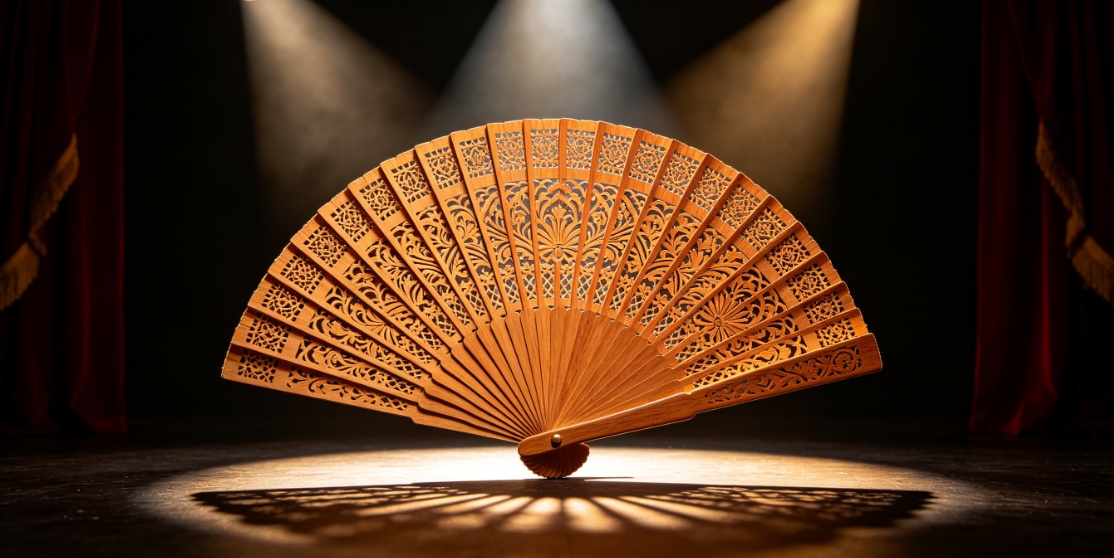
Another reason the wooden Spanish fan is popular is its strong visual appeal. The combination of carved wooden ribs and decorative fabric or paper creates a beautiful contrast that stands out on stage.
When dancers move the fan quickly or slowly, it creates flowing visual patterns that enhance the choreography. Under stage lighting, the fan can reflect light and shadow, adding depth and elegance to the performance. This makes it an ideal prop for both traditional and modern stage productions.
Enhancing Rhythm and Movement
In dance, rhythm is everything. The wooden Spanish fan helps dancers highlight musical beats and transitions. When opened, closed, or flicked at specific moments, it creates subtle sound effects that match the rhythm of the music.
In flamenco dance, for example, the fan is often synchronized with footwork and hand gestures. This coordination adds intensity and emotion to the performance. It also helps dancers emphasize dramatic moments, making the choreography more dynamic and engaging.
Because of its lightweight structure, the wooden fan allows smooth and continuous movement without disrupting the dancer’s flow.
Versatility in Dance Styles
The wooden Spanish fan is not limited to traditional Spanish dance. It is widely used in various performance styles, including contemporary dance, theatrical shows, cultural fusion performances, and even fashion shows.
Choreographers appreciate its flexibility because it can represent different emotions depending on how it is used. Slow movements can show elegance and mystery, while fast movements can represent passion or conflict. This versatility allows the fan to adapt to different creative concepts and stage designs.
Artistic and Decorative Value
Each wooden Spanish fan often features artistic craftsmanship. Some are hand-painted with traditional patterns, while others include carved wooden details or elegant prints. This artistic design adds beauty to both costumes and stage settings.
In performances, the fan becomes part of the visual storytelling. It is not just an accessory but an extension of the dancer’s costume. This combination of art and function enhances the overall aesthetic of the performance.
Because of this, many people also collect wooden Spanish fans as cultural and artistic items.
Emotional Storytelling Tool
Dance is a powerful form of emotional expression, and the wooden Spanish fan plays an important role in conveying feelings. Through simple gestures, dancers can express love, sadness, joy, or tension without speaking.
For example, hiding the face behind a closed fan can create mystery, while slowly revealing it can symbolize emotional openness. These subtle actions allow performers to connect with the audience on a deeper emotional level.
Conclusion
The wooden Spanish fan remains popular in dance performances because of its cultural significance, visual beauty, and expressive power. It enhances rhythm, supports storytelling, and adds elegance to stage performances. Its lightweight design and artistic value make it both practical and visually appealing.
From traditional flamenco to modern choreography, the wooden Spanish fan continues to be a timeless and versatile tool in the world of dance.
0