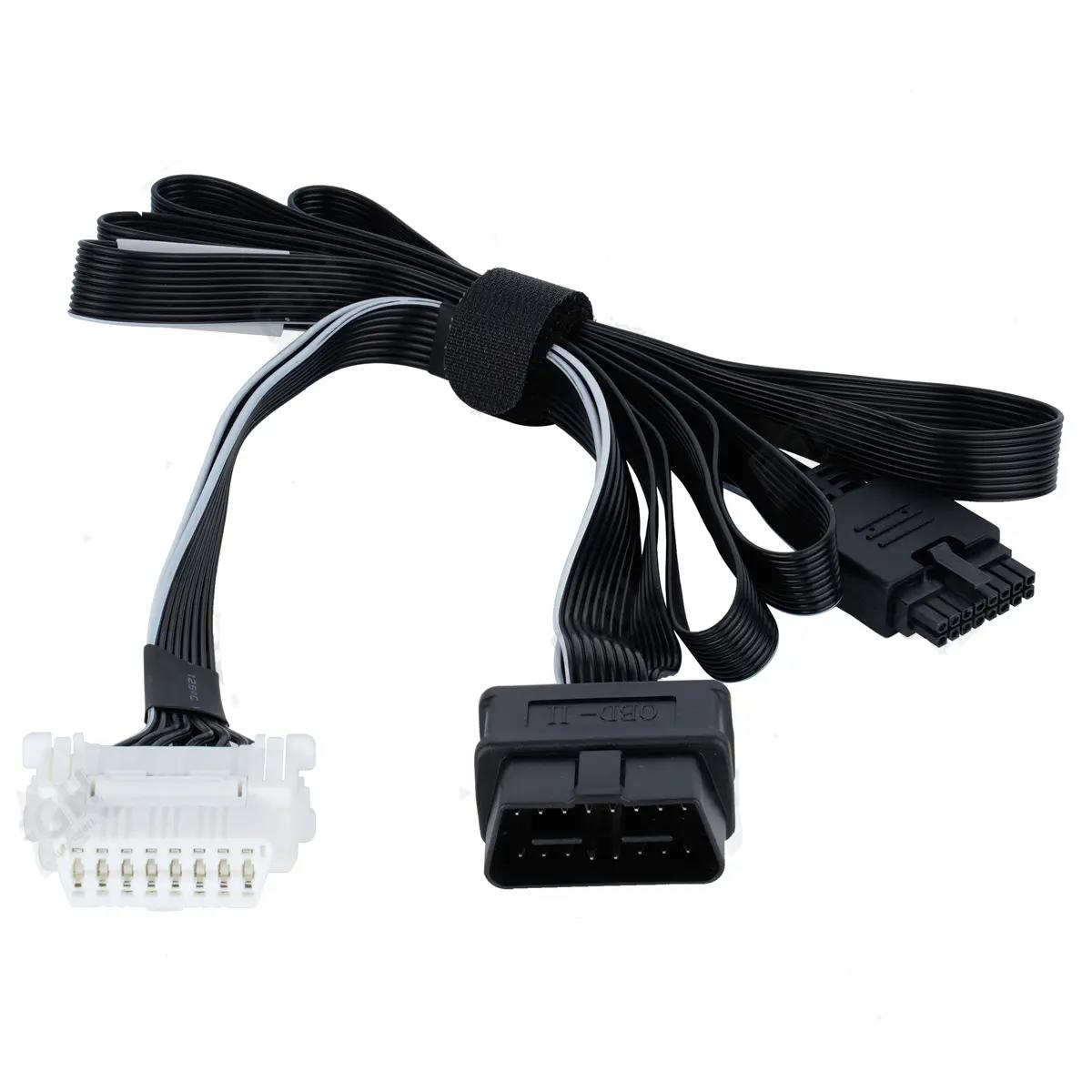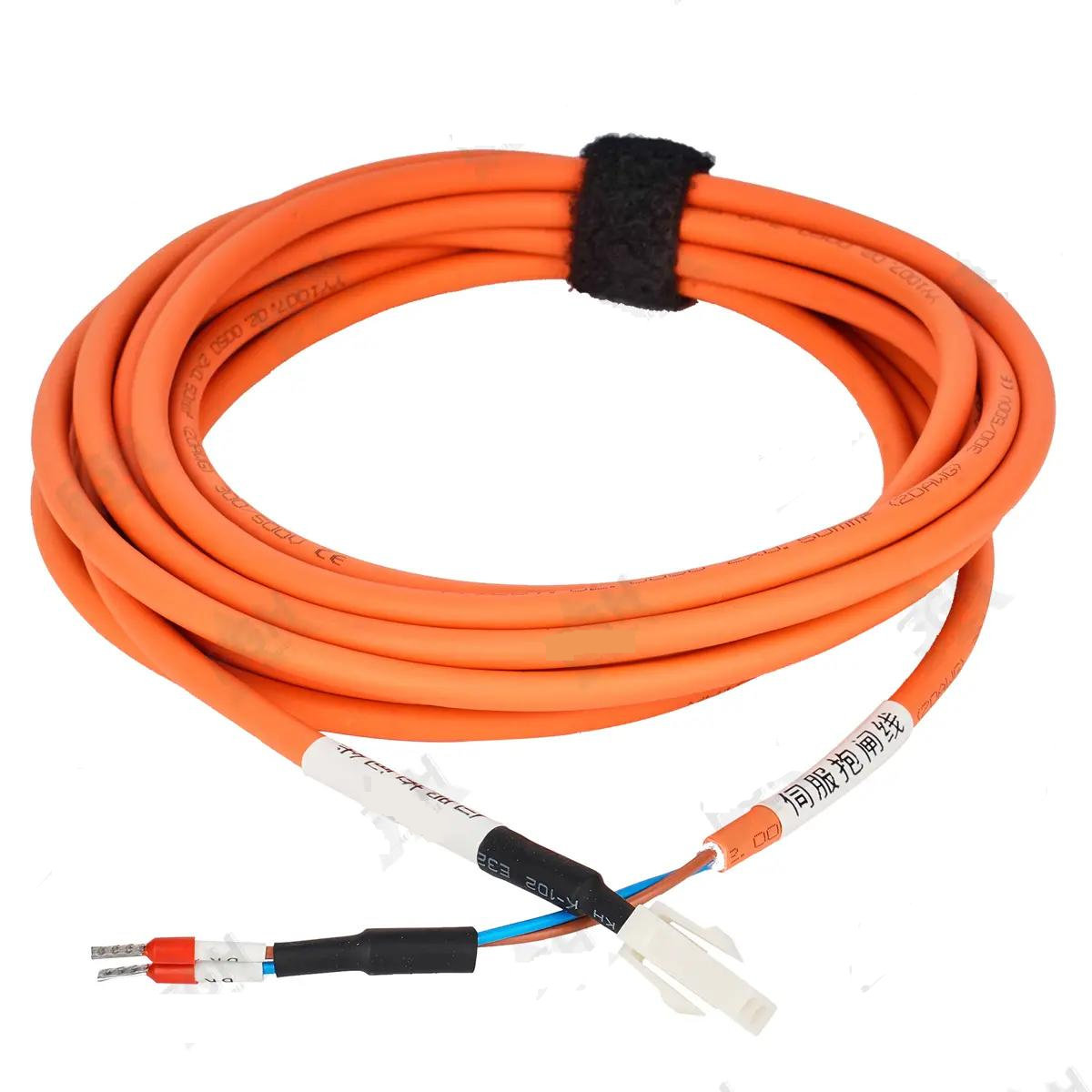


Power tools are essential in both industrial and home settings, providing efficiency and precision for various tasks. However, it’s crucial to understand that many power tools can be dangerous if not used correctly or without the necessary skills. To ensure safe and effective operation, understanding the components of power tools, such as tool drivers and controllers, is vital.
Unlike hand tools that rely solely on manual effort, power tools require an additional power source and mechanism for operation. These tools are commonly powered by electric motors, compressed air, or internal combustion engines. To function optimally, a power tool must have a properly installed tool driver and tool controller.
A tool driver is an electronic circuit or device that supplies the necessary electrical power to a motor, ensuring that the tool operates at the desired speed and torque. The primary responsibility of the tool driver is to deliver adequate electrical energy to the tool or motor. Tool drivers are typically constructed using power semiconductor devices like SCRs, IGBTs, and MOSFETs. The tool driver requires two inputs and one output: the motor is wired into the output, receiving power from the mains and a signal from the tool controller.
The tool driver operates in conjunction with the power tool controller, which sends command signals to manage the motor’s operation. The controller plays a crucial role in regulating all aspects of the tool’s function, including setting torque, adjusting speed, and processing feedback from the motor.

How a Power Tool Driver Assists in Power Tool Operation
A tool driver is fundamental in the operation of power tools, ensuring that the motor receives the correct amount of power to perform its tasks effectively. By supplying the necessary electrical energy, the tool driver enables the tool to achieve the required speed and torque for various applications. The integration of power semiconductor devices like SCRs, IGBTs, and MOSFETs within the tool driver ensures efficient power delivery, allowing the motor to operate smoothly and reliably.
The tool driver works in tandem with the tool controller, which is responsible for managing the overall operation of the tool. The controller processes inputs from various sources, such as sensors, keypads, and feedback circuits, and generates signals that direct the tool driver. This coordinated effort between the tool driver and controller ensures that the tool operates safely and efficiently, reducing the risk of accidents and improving productivity.
The Role of the Tool Controller in Power Tool Functionality
A tool controller is a crucial component that manages the operation of power tools. It is an electronic circuit or device that handles various tasks, such as setting torque, adjusting speed, changing the motor’s direction, and processing feedback from the motor. The controller’s role is to ensure that the tool operates according to the desired parameters, providing users with the control and precision needed for different tasks.
In practice, the tool controller receives inputs from various sources, such as USB interfaces, sensors, and keypads, and processes this information to generate a signal. This signal is then sent to the tool driver, which powers the motor accordingly. The close relationship between the tool driver and controller ensures that the power tool operates optimally, delivering the required performance for each application.
Ensuring Safe and Efficient Power Tool Operation
For power tool users, understanding the roles of the tool driver and controller is essential for safe and efficient operation. These components work together to manage the power delivery and overall functionality of the tool, ensuring that it operates within the desired parameters. By properly integrating these components into power tools, users can achieve better control, reduce the risk of accidents, and improve the overall effectiveness of their work.
Whether in industrial settings or home workshops, ensuring that power tools are equipped with reliable tool drivers and controllers is key to maintaining safety and productivity. By understanding how these components work together, users can make informed decisions when selecting and using power tools for various applications.
0