

Restaurants today face increasing pressure to balance durability, appearance, hygiene, and long-term expenses. Because of these factors, many businesses are moving away from fragile ceramic or glass products and choosing melamine dinnerware instead. Known for its lightweight structure and strong resistance to breakage, this type of tableware has become a popular choice in restaurants, cafeterias, hotels, and catering services. Understanding why restaurants prefer melamine dinnerware over traditional tableware helps explain its growing popularity in commercial dining environments.
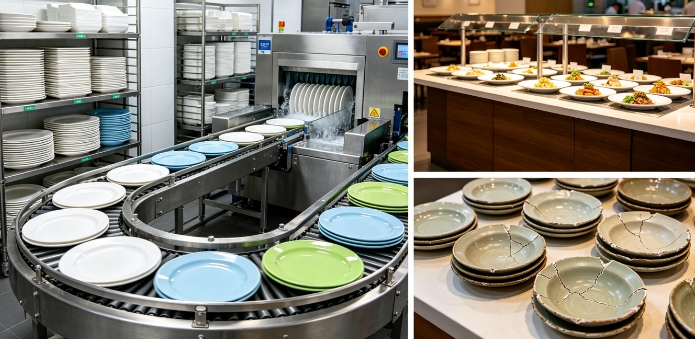
Durability and Resistance to Breakage
One of the biggest reasons restaurants choose melamine dinnerware is its excellent durability compared with traditional ceramic or glass tableware.
- Strong impact resistance: In busy restaurants, plates and bowls are frequently moved, stacked, and transported. Traditional ceramic products can easily crack or break when dropped, while melamine products are far more resistant to accidental impacts.
- Reduced replacement costs: Constant breakage creates additional expenses for restaurants. Durable dinnerware significantly lowers replacement frequency, helping businesses save money over time.
- Suitable for high-traffic environments: Cafeterias, buffet restaurants, and outdoor dining areas require tableware that can withstand heavy daily use without rapid damage.
Because of its toughness, restaurants can maintain smoother operations with fewer interruptions caused by broken dishes.
Lightweight Design Improves Efficiency
Compared with ceramic and porcelain products, melamine dinnerware is much lighter, making it easier for restaurant staff to handle during daily operations.
- Servers can carry multiple dishes more comfortably during peak service hours.
- Kitchen staff can organize and transport stacks of plates with less physical strain.
- Lightweight products also reduce the risk of accidental dropping during fast-paced restaurant operations.
- For catering businesses, lighter tableware makes transportation more convenient and lowers handling difficulties during large events.
This operational efficiency becomes especially valuable in restaurants with high customer turnover and demanding workloads.
Cost-Effectiveness for Commercial Use
Restaurants carefully manage operating costs, and tableware expenses are an important part of long-term budgeting. Melamine dinnerware offers several financial advantages.
Lower Long-Term Investment
Although high-quality melamine products may have a similar initial price to some ceramic items, their longer usable life and lower breakage rate reduce overall replacement costs.
Reduced Maintenance Expenses
Traditional tableware often requires more careful handling, storage, and replacement planning. Durable alternatives simplify maintenance management and reduce labor concerns.
Better Value for Bulk Purchasing
Restaurants, hotels, and catering companies usually purchase tableware in large quantities. Melamine products provide an economical solution for businesses needing durable inventory at scale.
These financial benefits make melamine dinnerware highly attractive for commercial food service operations.
Appearance and Design Flexibility
Modern restaurants not only focus on functionality but also care about presentation and customer dining experience.
- Wide variety of designs: Melamine dinnerware is available in different colors, textures, patterns, and finishes, allowing restaurants to match their branding or dining themes.
- Ceramic-like appearance: Many products closely resemble porcelain or stoneware, helping restaurants maintain an elegant presentation without the fragility of traditional materials.
- Consistent visual quality: Unlike ceramic items that may chip visibly over time, durable melamine products often maintain a cleaner appearance during extended use.
This combination of style and practicality helps restaurants create an attractive dining environment while controlling operational risks.
Hygiene and Practical Maintenance Benefits
Hygiene standards are extremely important in the restaurant industry, and tableware must support easy cleaning and safe food service practices.
- Smooth surfaces help reduce food residue buildup and simplify cleaning processes.
- Many products are dishwasher-safe under recommended temperature conditions, improving efficiency in commercial kitchens.
- Resistance to staining allows the tableware to maintain a clean appearance even after repeated use.
- Durable construction minimizes cracks and chips where bacteria could potentially accumulate.
These maintenance advantages help restaurants maintain both cleanliness and operational efficiency in demanding environments.
Conclusion
Restaurants prefer melamine dinnerware over traditional tableware because it combines durability, lightweight convenience, cost-effectiveness, attractive design, and practical maintenance advantages. In fast-paced commercial dining environments, reducing breakage and improving operational efficiency are major priorities, making durable tableware a highly practical solution. While it should still be used according to proper temperature guidelines, melamine products continue to provide reliable performance for restaurants, hotels, cafeterias, and catering businesses seeking a balance between functionality, appearance, and long-term value.
0