

In 2026, a new epoch will come in the automotive industry of the whole world. Electromobility, self-driving technology, and digital experience will be critical trends for any car manufacturer in the world. At present, customers choose cars not by volume of the engine, design, or brand name. Actually, the lifespan of the battery, recharging opportunities, and software characteristics have become crucial in choosing cars.
Electric and hybrid cars have already changed the automotive industry over the past few years. The traditional automakers continue trying to adapt to the changes, while the innovative electric vehicle makers use their innovative batteries and software to compete with the traditional ones. Consequently, 2026 is going to see a variety of new cars, starting from economy electric cars up to luxurious and sports electric vehicles.
Companies such as Tesla, BMW, Mercedes-Benz, Toyota, as well as Chinese car makers are preparing new models and innovations. All of the mentioned cars not only reflect the future direction of each manufacturer but also the whole automotive industry.
1. Automotive Market Trends in 2026
1.1 Electric Vehicles and Hybrids Continue to Grow
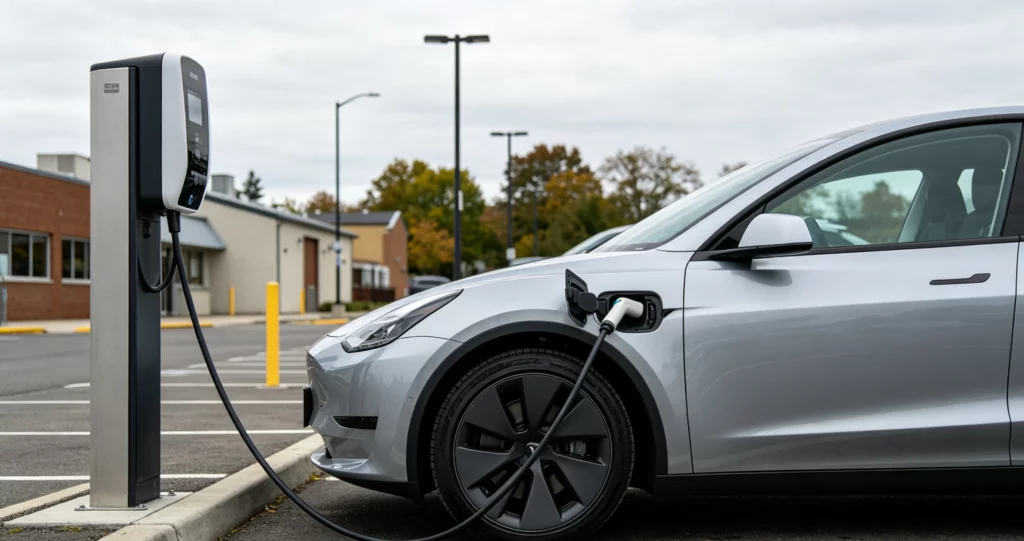
Electrification is still considered to be one of the key trends in the automobile industry in 2026. Even though electric cars continue to advance, hybrids and plug-ins seem to be taking the front seat since they are fuel-efficient and do not need to be charged at charging stations. Automakers are focusing on several key areas:
- Higher battery energy density;
- Longer driving range;
- Faster charging technology;
- More efficient electric motors.
The new EV platform is increasingly shifting to an 800V electrical system, which facilitates fast charging. The next generation of EVs is set to offer a driving range beyond 400 miles, alleviating fears about battery technology.
Nevertheless, the future market will not be controlled by just one type of powertrain. Various markets and consumer bases will still require a combination of different types of powertrains.
1.2 Smart Driving Becomes a Major Competition Area
In addition to electrification, intelligent driving technology is becoming a key factor in vehicle development.
New vehicles are expected to offer more advanced features, including:
- AI-powered driver assistance;
- Automated parking;
- Smart cockpit systems;
- Over-the-air software updates.
Modern cars are gradually becoming similar to connected digital devices. Software capabilities can now influence a vehicle’s long-term value because manufacturers can improve features through continuous updates after purchase.
2. Tesla 2026 New Models: New Vehicles and Technology Upgrades
Tesla continues to be one of the leading electric vehicle manufacturers in the world. In 2026, Tesla will continue to invest in the expansion of its product line, the development of technologies for autonomous driving cars, and production efficiency.
2.1 Expanding the EV Product Line
For years, Tesla’s global success has mainly relied on the Model 3 and Model Y. However, future growth requires the company to reach more consumer segments.
Potential development directions include:
| Model Direction | Main Focus |
| Next-generation Roadster | High-performance electric driving |
| More affordable EV models | Lower entry price |
| Existing model upgrades | Better efficiency and intelligence |
The next-generation Tesla Roadster has attracted significant attention because it represents the company’s performance ambitions. The model is expected to showcase advanced electric powertrain technology and demonstrate the potential of high-performance EVs.
2.2 AI and Autonomous Driving Development
One of Tesla’s biggest differences from traditional automakers is its focus on software and artificial intelligence.
Future Tesla vehicles are expected to continue improving in areas such as:
- Driver assistance systems;
- AI computing capabilities;
- Vehicle data analysis;
- Smart user interaction.
Rather than treating a vehicle as a finished product after purchase, Tesla aims to create a continuously improving software-based ecosystem.
3. BMW and Mercedes-Benz: New Strategies for Luxury Vehicles
In fact, luxury car companies are experiencing major shifts as well. Companies like BMW and Mercedes-Benz have ceased competing based on their performance and style, instead moving forward with electric platforms and intelligent systems.
3.1 BMW: The New Electric Era with Neue Klasse
BMW’s Neue Klasse platform represents a major step in the company’s electric vehicle strategy.
The platform focuses on:
- Advanced battery technology;
- More efficient electric drivetrains;
- Next-generation digital interiors.
Future EVs from BMW will become more efficient when charging and offer greater ranges. Some of their EVs will offer ranges of over 400 miles.
The company will also remain flexible in its approach to powertrains and manufacture models powered by electricity, hybrids, and traditional combustion engines.
3.2 Mercedes-Benz: Combining Luxury With Electric Technology
Mercedes-Benz is focusing on creating electric vehicles that combine premium comfort with advanced technology.
Future models will emphasize:
- Efficient battery systems;
- AI-powered assistants;
- Advanced infotainment;
- High-quality interior experiences.
In luxury car purchases, rivalry is now not solely dependent on power or material qualities but rather also includes intelligent digital functions and connectivity.
4. Toyota 2026 New Cars: A Balanced Electrification Strategy
Toyota is a well-known company because of its hybrid technology. While other companies are focusing on going completely electric, Toyota is trying to adopt a different strategy.
4.1 Hybrids Remain an Important Strategy
Toyota believes different markets require different solutions. Therefore, the company continues developing:
- Hybrid vehicles;
- Plug-in hybrid models;
- Battery electric vehicles.
4.2 Improving EV Competitiveness
Toyota’s future electric models will focus on:
- Battery efficiency;
- Smart driving technology;
- Cost control;
- Long-term reliability.
Whereas some EV makers try to beat others by offering extreme specification cars, Toyota’s strategy focuses on durability and a realistic driving experience for customers.
5. BYD and Chinese EV Brands: Global Expansion
Chinese electric vehicle manufacturers are becoming more and more dominant in the world market. BYD, NIO, XPeng, and Li Auto are just some of those companies that are going global with competitive prices, batteries, and intelligent cars.
5.1 Battery Technology as a Core Advantage
One important advantage that Chinese EV companies have is their solid supply chain and battery technology development capabilities.
For instance, BYD has already developed its own battery technologies and provides electric vehicles for different market segments.
As compared to traditional automobile manufacturers, most Chinese EV companies have gained a reputation for faster product updates and effective manufacturing processes.
5.2 Increasing Global Competition
In 2026, Chinese EV brands are expected to continue expanding into international markets.
Their competitive advantages include:
- Competitive pricing;
- Wide model selection;
- Advanced smart features;
- Faster innovation cycles.
As more consumers accept electric vehicles, Chinese manufacturers are becoming important players in the global automotive industry.
Conclusion
The automotive industry in 2026 will be driven by the concepts of electrification, intelligent driving, and software. The competition among automotive companies has gone beyond engines and design, and now technology and connectivity have joined the game.
Tesla will continue developing electric cars and AI technology, BMW and Mercedes-Benz will produce luxury electric cars, and Toyota will pursue an even approach including hybrids and pure electric vehicles. Additionally, such Chinese brands as BYD will make a significant effort towards dominating the international automotive market.
Thus, for customers, buying a new car in 2026 will mean not only choosing a car that suits both their needs and their budget. The range of the battery, smart technologies, and reliability will become key factors as well.
0