


One of the most debatable topics in the current automobile market is that of luxury compact cars. There are many car models in the automobile market currently, but only two models have stood out from the rest: the BMW 3 Series and the Mercedes-Benz C-Class. The cars are both models of German engineering, but on the other hand, both brands portray different visions of luxury. The BMW 3 Series represents the view that the performance of the car is more important, whereas the Mercedes-Benz C-Class embodies luxury and technology.
Considering that the automobile industry is moving towards electrification and intelligent transportation systems, performance in the digital and safety realms is also of great importance to current buyers. Luxury compact sedans need to keep up with the trends, and both the BMW 3 Series and Mercedes-Benz C-Class have managed to do that.
In this article, the two popular compact sedans will be compared in terms of their history, philosophy, performance, and specifications.
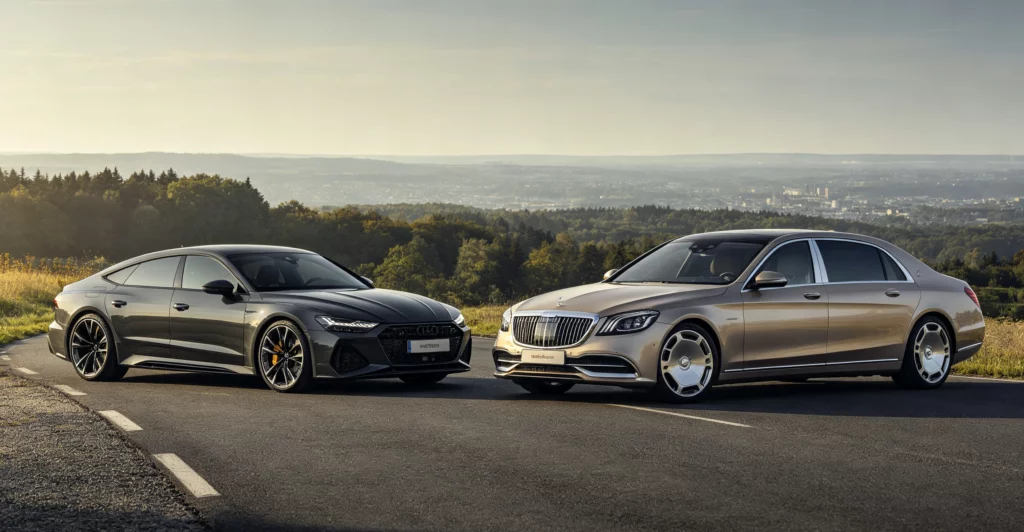
1. The Development History of BMW 3 Series and Mercedes-Benz C-Class
1.1 BMW 3 Series: A Legacy of Driving Performance
The 3 Series was released by BMW in 1975 and soon became the most popular car made by BMW. Right from its debut, the BMW 3 Series has been renowned for its luxurious and sporty nature.
Over a number of decades, several generations of the model have come out, namely:
- E30 3 Series: set the basis for the image of a BMW sports car.
- E46 3 Series: Became one of the most popular generations among driving enthusiasts.
- G20 3 Series: Added modern technology while maintaining BMW’s performance-oriented identity.
The main philosophy of the 3 Series is centered on the principle of driver engagement. Such features like precise steering and a perfect chassis make for good recognition of the model by luxury sedan buyers.
1.2 Mercedes-Benz C-Class: A Compact Luxury Sedan Inspired by the S-Class
The C-Class from Mercedes-Benz came into the market in 1993 as a relatively cheaper luxury sedan than the E-Class and S-Class. This contrasts with BMW in the sense that BMW concentrates more on performance while Mercedes-Benz focuses more on luxury and comfort.
As years have passed, the C-Class has begun integrating many features from its top models, including:
- More advanced digital displays;
- Premium interior materials;
- Enhanced driver assistance systems;
C-Class is Mercedes-Benz’s effort to integrate luxury features into a sedan-class car.
2. Exterior Design Comparison: Sporty Character vs Elegant Luxury
2.1 BMW 3 Series: A Focus on Athletic Styling
The BMW 3 Series has always maintained a sporty visual identity. Its exterior design highlights performance through:
- The signature kidney grille;
- A lower and wider body proportion;
- Strong character lines;
- A dynamic front-end design.
The look itself gives an impression of motion even while the car stands still. This kind of approach would be appreciated by those who want a more youthful look for their luxury car.
The BMW 3 Series is particularly well liked by those who appreciate driving pleasure and a more sporting look in addition to a luxurious one.
2.2 Mercedes-Benz C-Class: A More Refined and Premium Appearance
The Mercedes-Benz C-Class follows a different design direction by emphasizing sophistication and elegance.
Key exterior features include:
- S-Class-inspired styling elements;
- Smooth body surfaces;
- A more luxurious overall appearance.
Mercedes-Benz focuses on creating an aesthetic sense of luxury. The C-Class car is made to meet the requirements of customers seeking comfort in a car.
In comparison to the sports version of the BMW, the C-Class provides a comfortable feeling.
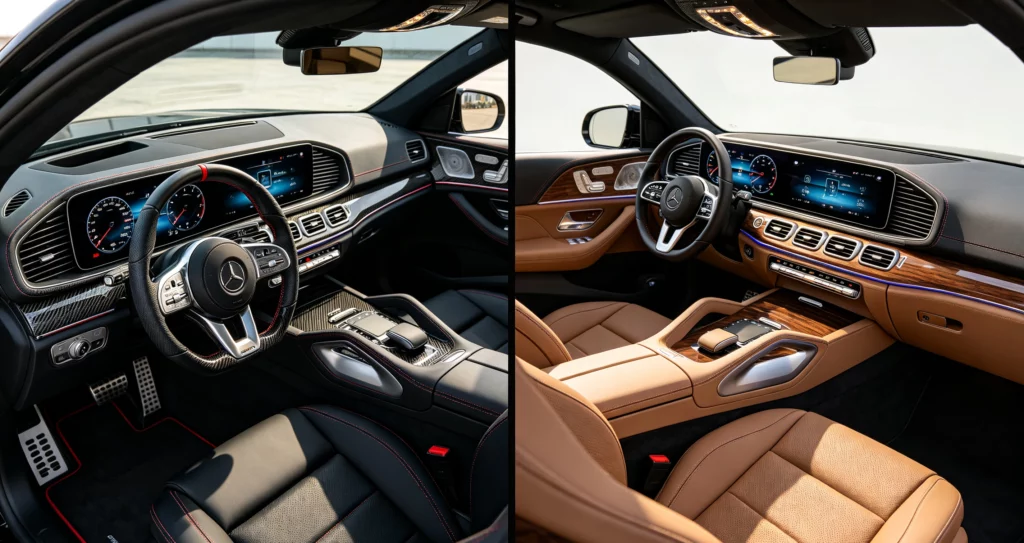
3. Performance and Driving Experience Comparison
3.1 BMW 3 Series: Designed for Driving Enthusiasts
Performance has been one of the key advantages of the BMW 3 Series since the beginning. Almost all the contemporary variants have the 2.0-liter turbo engine along with the transmission system.
The BMW 330i provides around:
- 255 horsepower;
- 295 lb-ft of torque;
- An 8-speed automatic transmission.
The driving characteristics of the 3 Series include:
- Quick steering response;
- Strong chassis balance;
- Stable high-speed performance.
The engineering principle of BMW includes creating a connection between the car and the driver; thus, the 3 Series is suitable for people enjoying an active driving experience.
3.2 Mercedes-Benz C-Class: Prioritizing Comfort and Smooth Performance
The Mercedes-Benz C-Class is equipped with a turbocharged engine; moreover, there are many hybrid options for this variant. The C 300 model provides approximately:
- 255 horsepower;
- 295 lb-ft of torque;
- A 9-speed automatic transmission.
Instead of focusing mainly on sporty handling, the C-Class prioritizes:
- Smooth acceleration;
- Quiet cabin performance;
- Comfortable long-distance driving.
For drivers who have to commute a lot, the C-Class is ideal.
4. Interior Design and Technology Features
4.1 BMW 3 Series: A Driver-Oriented Digital Cabin
The BMW 3 Series interior follows the brand’s traditional driver-focused layout.
Important features include:
- Digital instrument displays;
- BMW iDrive infotainment system;
- Advanced driving modes;
- Intelligent connectivity functions.
With regard to control placement, they are made easily accessible to the driver for a concentrated driving experience.
The use of technology by BMW is used to augment the experience of driving without losing the sporty element.
4.2 Mercedes-Benz C-Class: Luxury Combined With Digital Innovation
The Mercedes-Benz C-Class stands out with its premium interior design and advanced technology.
Interior highlights include:
- Large central touchscreen display;
- High-quality materials;
- Ambient lighting systems;
- MBUX intelligent multimedia system.
The cabin makes for a more luxurious experience, with technology integrated into the driving environment.
The C-Class provides an exceptionally luxurious experience for the buyer who values comfort and aesthetics, among other things.
5. BMW 3 Series vs Mercedes-Benz C-Class Key Specifications
| Category | BMW 3 Series | Mercedes-Benz C-Class |
| Vehicle Position | Sport-oriented luxury sedan | Comfort-focused luxury sedan |
| Engine Type | 2.0L turbocharged engine | 2.0L turbocharged engine with mild hybrid technology |
| Power Output | Around 255 hp | Around 255 hp |
| Transmission | 8-speed automatic | 9-speed automatic |
| Driving Style | Responsive and sporty | Smooth and comfortable |
| Interior Design | Technology-focused and driver-centered | Luxury-focused and premium |
| Ideal Buyers | Drivers who enjoy performance | Drivers seeking comfort and refinement |
Conclusion
Both the BMW 3 Series and the Mercedes-Benz C-Class can be described as good examples of how the two classes of luxury cars are made in Germany. While the BMW 3 Series car provides driving joy, precision, and athleticism, the Mercedes-Benz C-Class car provides comfort and innovation. Considering the ongoing changes in the automobile industry towards electric and smart innovations, luxury cars definitely have many things ahead of them. Future rivalry in this segment will hinge not only on engineering but also on digital solutions and efficiency.
Each car shows the benefits of German automobile development. The optimal selection would depend on personal preferences of the driver – on what he or she appreciates more in a car.
0